
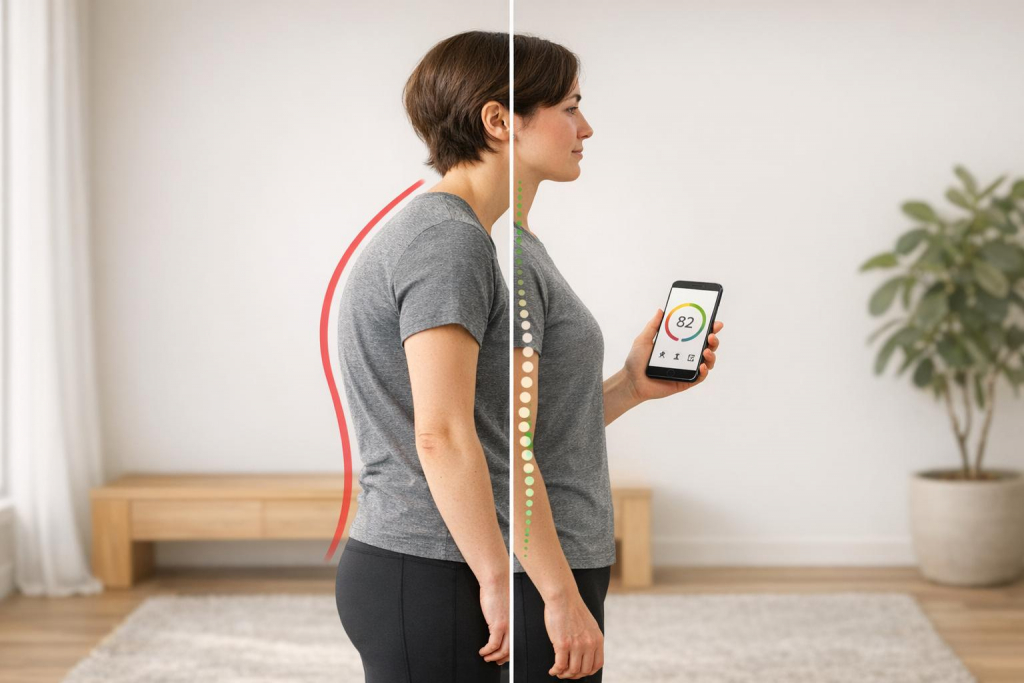
Improve Your Alignment with a Posture Health Tool
Good posture isn’t just about looking confident—it’s key to feeling great and avoiding aches down the line. Many of us spend hours sitting at desks or staring at screens, which can lead to slouching or tension in the neck and back. That’s where a posture assessment tool comes in handy. It’s a simple way to gauge how your body stacks up and get practical tips for better alignment.
Why Body Alignment Matters
Poor stance can creep up over time, often without us noticing. It might start with rounded shoulders from typing or a forward head from scrolling on your phone. Left unchecked, these habits can strain muscles and even impact breathing or energy levels. By using a posture correction calculator, you’re taking a proactive step. You’ll learn where you might need a little extra focus—whether it’s strengthening your core or stretching tight areas—and get a nudge to make small, meaningful changes. Pair these insights with regular movement, and you’re on your way to standing taller and feeling stronger every day.
FAQs
How accurate is the posture score from this calculator?
The score is an estimate based on general health data like BMI, age norms, and activity levels. It’s not a diagnosis but a helpful starting point to understand where you stand. If you’ve got ongoing pain or serious concerns, I’d recommend chatting with a physical therapist or doctor for a deeper look.
Can this tool fix my posture issues?
This calculator can’t fix things on its own, but it does give you tailored suggestions—like specific stretches or exercises—based on what you’re dealing with. Think of it as a guide to get started. Real improvement comes from consistent effort and, if needed, working with a professional.
Who should use this posture assessment tool?
Honestly, anyone curious about their body alignment can give it a try! Whether you’re hunched over a desk all day, feeling occasional back twinges, or just want to stand taller, this tool offers insights. It’s especially handy for those noticing issues like slouching or shoulder tension.