
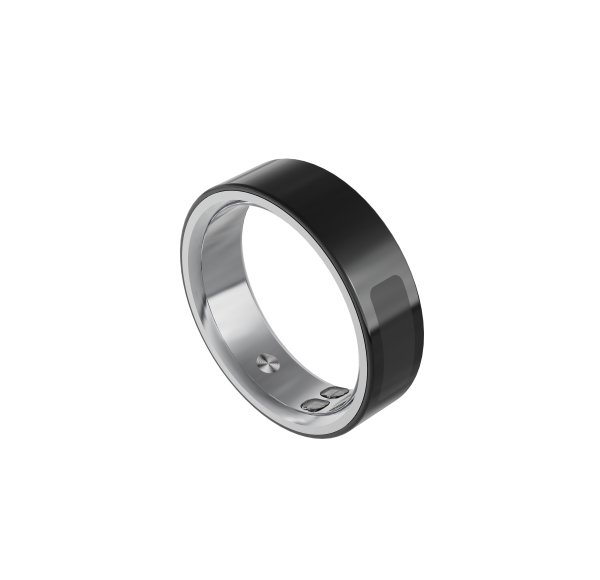
What This Smart Ring Price and Sizing Comparison Covers
If you are comparing smart rings on price and sizing, the most useful starting point is to separate what is confirmed about a specific product from what is still unknown. This guide focuses on aiRing Ultra and uses only confirmed product facts to explain which specifications tend to influence sizing and cost evaluation. It does not provide medical advice, pricing promises, or performance guarantees.
For sizing, the confirmed instruction is straightforward: the manual says to wear the ring with its sensor positioned on the back of the finger. Fit affects comfort and sensor contact. What the supplied evidence does not confirm is a specific size range, sizing method, or return policy, so those details should be checked directly with the seller or product documentation before purchase.
Confirmed aiRing Ultra Specifications Relevant to Sizing and Cost
The table below summarizes confirmed aiRing Ultra specifications that commonly matter when comparing size and cost. These facts come from the supplied product documentation and should be read with their stated limitations.
Note that actual battery life can vary, and the manual identifies the product as non-medical equipment. The stated temperature ranges are operating -20 C to 50 C, storage -30 C to 70 C, and charging 0 C to 40 C.
| Specification | Confirmed detail |
|---|---|
| Material | Stainless steel |
| Communication | Bluetooth LE 5.0 |
| Listed sensors | Temperature, acceleration, heart-rate, blood-oxygen, ECG, BIA |
| Stated battery life | 4-6 days (actual life can vary) |
| Charging | Magnetic charging; charging time no more than 1.5 hours |
| Water resistance | 5ATM |
| Temperature ranges | Operating -20 C to 50 C; storage -30 C to 70 C; charging 0 C to 40 C |
| Product classification | Non-medical equipment per the manual |
How Smart Ring Sizing Works and What to Check Before Buying
Sizing a smart ring is not only about circumference. The manual instructs users to wear the ring with its sensor positioned on the back of the finger, which means the fit needs to keep the sensor in a consistent position during daily wear. A fit that is too loose or too tight can affect comfort and sensor contact, but the supplied evidence does not support claims of guaranteed comfort, irritation prevention, pressure reduction, or improved sleep.
Before buying, it is reasonable to ask the seller how sizing is handled, whether a sizing kit is available, and what the return or exchange policy is. Those details are not confirmed in the supplied evidence, so they should be verified directly rather than assumed. If you are new to the category, a general overview such as Smart Ring Basics: What Patients and Caregivers Should Know can help frame what these devices are and are not.
Cost Factors to Compare When Evaluating a Smart Ring
Rather than anchoring on a single number, compare the factors that typically drive cost and value. These include the device material, the sensor set, battery and charging design, water-resistance rating, and included accessories. For aiRing Ultra, the confirmed material is stainless steel, the listed sensors are temperature, acceleration, heart-rate, blood-oxygen, ECG, and BIA, charging is magnetic with a stated charging time of no more than 1.5 hours, and the water-resistance rating is 5ATM.
One detail worth clarifying with the seller: the supplied evidence does not confirm that a specific one of the three illustrated charging accessory forms is included with every aiRing Ultra retail unit. Because included accessories can affect the total cost of ownership, this is a practical question to ask before purchase. This guide does not state or imply specific prices, pricing promises, or value guarantees.
For a deeper framework on comparing costs and value, see Smart Ring Pricing Comparison: How to Compare Costs and Value Before You Buy.
aiRing Ultra vs aiRing Lite: Feature Differences That May Affect Value
The confirmed feature difference between the two models is that aiRing Ultra includes SOS alert and Smart Touch, while aiRing Lite does not include these features. That distinction can matter when evaluating value, because it changes what the device can do beyond basic monitoring.
Two cautions are important. First, do not apply aiRing Ultra's full sensor or specification set to aiRing Lite without separate variant confirmation. Second, Smart Touch compatibility is not confirmed as universal across phones, operating systems, or third-party apps, so check compatibility for your specific setup if that feature matters to you.
How aiRing Ultra Fits Into an Everyday Monitoring Routine
The confirmed workflow is simple to describe. The manual says to activate the ring on a powered charging dock, then pair aiRing with aiCare through Bluetooth. AIHNET states that aiRing Ultra synchronizes data with its mobile application. aiCare is AIHNET's connected-health software platform that receives, organizes, and presents connected health data from supported AIHNET devices.
What is not confirmed includes exact OS-version compatibility, automatic background sync, and reconnection behavior. If those details matter for your routine, confirm them with product documentation or support. This guide does not interpret readings or provide individualized medical advice.
Confirmed pairing workflow
- Activate on the charging dock Place the ring on a powered charging dock to activate it.
- Pair with aiCare Pair aiRing with aiCare through Bluetooth.
- Sync data aiRing Ultra synchronizes data with the AIHNET mobile application.
What the Evidence Does and Does Not Support
All product statements in this guide remain bounded to manufacturer documentation. The product is non-medical equipment, and its data and information are for reference only. No regulatory authority source is present in the supplied evidence, so this guide does not establish medical-device classification or regulatory clearance.
The Chinese utility model ZL 2021 2 1329885.1 is associated with wearable body vital-sign monitoring equipment and is mapped by owner confirmation to the shared wearable-monitoring product direction of aiRing Lite and aiRing Ultra. That association does not establish current legal status, freedom to operate, regulatory clearance, clinical efficacy, safety, or accuracy, and it does not prove that every feature is patented.
To review the product listing, visit the aiRing Ultra shop page.
Frequently Asked Questions
Does aiRing Ultra come in different sizes?
The supplied evidence confirms the ring material is stainless steel and that the manual instructs users to wear the ring with its sensor positioned on the back of the finger, but it does not confirm a specific size range or sizing method. Check with the seller or product documentation for available sizes and sizing guidance.
What factors affect the cost of a smart ring?
General cost factors include material, sensor set, battery and charging design, water-resistance rating, and included accessories. For aiRing Ultra, the confirmed material is stainless steel, the listed sensors are temperature, acceleration, heart-rate, blood-oxygen, ECG, and BIA, charging is magnetic with a stated charging time of no more than 1.5 hours, and the water-resistance rating is 5ATM. A specific one of the three illustrated charging accessory forms is not confirmed for every retail unit, so confirm included accessories before purchase.
What is the difference between aiRing Ultra and aiRing Lite?
aiRing Ultra includes SOS alert and Smart Touch, while aiRing Lite does not include these features. Do not apply aiRing Ultra's full sensor or specification set to aiRing Lite without separate variant confirmation.
How do I pair aiRing Ultra with aiCare?
Activate the ring on a powered charging dock, then pair with aiCare through Bluetooth.
Is aiRing Ultra a medical device?
The supplied product information does not establish medical-device classification. The manual identifies the product as non-medical equipment, and its data and information are for reference only. This guide does not answer yes or no on classification.
Does the Chinese utility model certificate mean every aiRing Ultra feature is patented?
The certificate records utility model ZL 2021 2 1329885.1 for wearable body vital-sign monitoring equipment and is mapped by owner confirmation to the shared wearable-monitoring product direction of aiRing Lite and aiRing Ultra. This does not prove every feature is patented or establish current legal status, regulatory clearance, clinical efficacy, safety, or accuracy.
References
- Smart rings in clinical medicine: 2025 systematic review — pubmed.ncbi.nlm.nih.gov