
Start with the question your record should help answer
For sleep tracking with a chronic condition, start with a record of what you notice and what the tracker actually displays. If you live with a long-term health condition and wake up feeling unrested, a sleep record can help you describe what has been happening. A wearable adds another view of the night; your own notes explain how that night affected your day. The useful starting point is a clear question for your next appointment, rather than a promise that a ring will identify the cause.[source]
Choose one question you want to discuss: "I keep waking up and feel sleepy at work—what should I bring to an appointment?" is more useful than trying to improve every number at once. You do not need to decide whether pain, a health condition, a medicine or a sleep disorder is responsible before asking for help.[source]
NHLBI suggests keeping a sleep diary for one to two weeks before a visit. Its guidance includes sleep and wake times, naps, daytime sleepiness, caffeine or alcohol, and exercise. If sleep problems are affecting daily activities, discuss them with your healthcare provider.[source]
This guide explains how to keep those records separate, what sleep AI research actually studied, and where aiRing fits if you want an everyday tracking device.
Three kinds of evidence that should stay separate
The distinction matters when reading a headline about AI predicting future illness from sleep recordings. A research finding can be interesting without being a feature available in a ring you can buy today. This guide does not use those research results as an aiRing accuracy claim.
| Evidence | What it can tell you | What it does not establish |
|---|---|---|
| Clinical sleep AI research | The SleepFM paper studied a model using polysomnography (PSG) recordings and disease outcomes. | Its results do not validate disease prediction by an aiRing or turn a consumer ring reading into a diagnosis. |
| Research about consumer sleep wearables | Results concern the devices, software and populations actually studied. | Performance reported for another device cannot be assigned to aiRing. A category-level review is not an exact-model validation. |
| Current aiRing product information | aiRing Lite lists sleep, heart-rate and blood-oxygen tracking, with Bluetooth pairing to aiCare. | Those listed features do not establish sleep-apnea detection, a recovery score, disease-risk prediction or an automated treatment plan. |
A sleep-and-daytime worksheet you can bring to a visit
Use paper or a note on your phone. The first four rows below adapt the diary topics described by NHLBI; the final two are practical organization suggestions for anyone also using a tracker. This is a personal record template, not a validated questionnaire or an aiCare screen.[source]
If you already keep condition-specific records under a care plan, continue that plan. A sleep note can sit beside it; a ring estimate should not replace a prescribed measurement or become a reason to change medication.
| Record | What to write | Keep the distinction clear |
|---|---|---|
| Sleep opportunity | When you went to bed, tried to sleep and got up; mark estimates as estimates. | Time in bed and time you believe you slept are different entries. |
| Awakenings and naps | Awakenings you remember and naps during the day. | A remembered awakening and a device estimate can differ. |
| Daytime experience | How rested or sleepy you felt and which activities were affected. | Keep your experience alongside the numbers, even when they disagree. |
| Daily context | Caffeine, alcohol and exercise timing; note questions about medicines or existing conditions for your clinician. | A pattern in your notes does not establish its cause or tell you to change treatment. |
| Tracker record, if used | The exact metric name and value actually displayed, its date, and any missing recording. | Leave an unavailable metric blank. Do not create a recovery score or infer sleep stages. |
| Appointment question | Your main concern and the part of the record you want help interpreting. | Ask what further assessment is appropriate rather than assigning yourself a diagnosis. |
What to do when your experience and your tracker disagree
Record both. A night that looks reassuring on a tracker does not erase feeling unwell the following day. Equally, an isolated unusual number does not explain why it happened. Note a missing recording as missing, rather than recording zero or filling in a guessed value.
For an appointment, bring a short account of the problem and the original readings you can access. Use whatever viewing or sharing options your actual app provides. This guide does not assume that every app version offers an export, a clinician dashboard or the same sleep metrics.
When a sleep assessment matters more than another tracking night
If you report concerns such as waking up gasping or persistent sleep problems, a healthcare provider can assess your symptoms and history. NHLBI explains that sleep studies help diagnose the type and severity of sleep apnea. A consumer ring reading is not that assessment.[source]
You do not need to finish a diary or buy a tracker before seeking care. The record is there to make a conversation clearer.
Considering aiRing for everyday records?
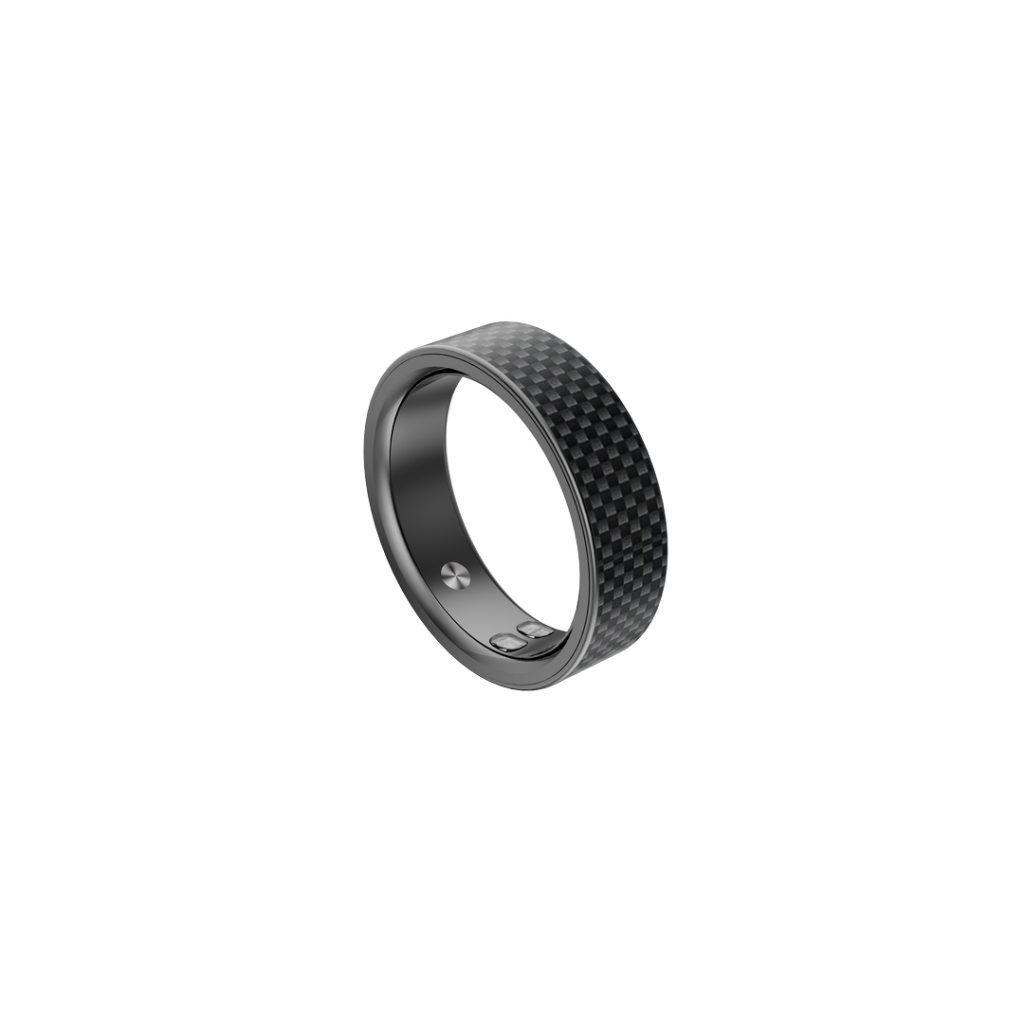
If your goal is to add wearable sleep, heart-rate and blood-oxygen tracking to your own notes, start with the documented features of aiRing Lite and aiRing Ultra. Check the exact model and pairing instructions before choosing. Lite uses Bluetooth pairing with aiCare; this guide makes no claim that the ring independently sends clinical alerts over a cellular connection.
aiRing Lite is the streamlined aiRing model and shares the core aiRing health-tracking baseline, but it does not include Ultra's SOS and Smart Touch controls. Choose based on the features you will use and the records you want to keep. If your purpose is to investigate a suspected sleep disorder, ask your healthcare provider about assessment first.
Frequently Asked Questions
Can aiRing tell me whether I have sleep apnea?
The product facts used for this guide establish tracking features, not validated sleep-apnea diagnosis. Discuss a concern with your healthcare provider; sleep studies are part of the diagnostic process described by NHLBI.
Does SleepFM mean an aiRing can predict chronic disease?
No. SleepFM studied clinical PSG recordings. Its research results are not evidence that an aiRing offers those predictions.
What can I do without buying a wearable?
Keep a simple diary and write down your main appointment question. A wearable is optional; it does not replace describing your symptoms and daily experience.
Should I change my treatment after an unusual sleep reading?
Continue your existing care plan and discuss concerns with your clinician. This guide does not provide medication changes or treatment decisions based on ring readings.
References
- https://pubmed.ncbi.nlm.nih.gov/40300398/ — Authoritative source
- https://pubmed.ncbi.nlm.nih.gov/41495409/ — Authoritative source
- Insomnia – Diagnosis | NHLBI, NIH — www.nhlbi.nih.gov
- Sleep Apnea – Diagnosis | NHLBI, NIH — www.nhlbi.nih.gov