

Smart Ring vs Smart Band: How to Choose a Wearable for Everyday Monitoring
A practical comparison of smart rings and smart bands by form factor, wear position, comfort, and everyday fit, with the evidence limits stated once.
A practical comparison of smart rings and smart bands by form factor, wear position, comfort, and everyday fit, with the evidence limits stated once.
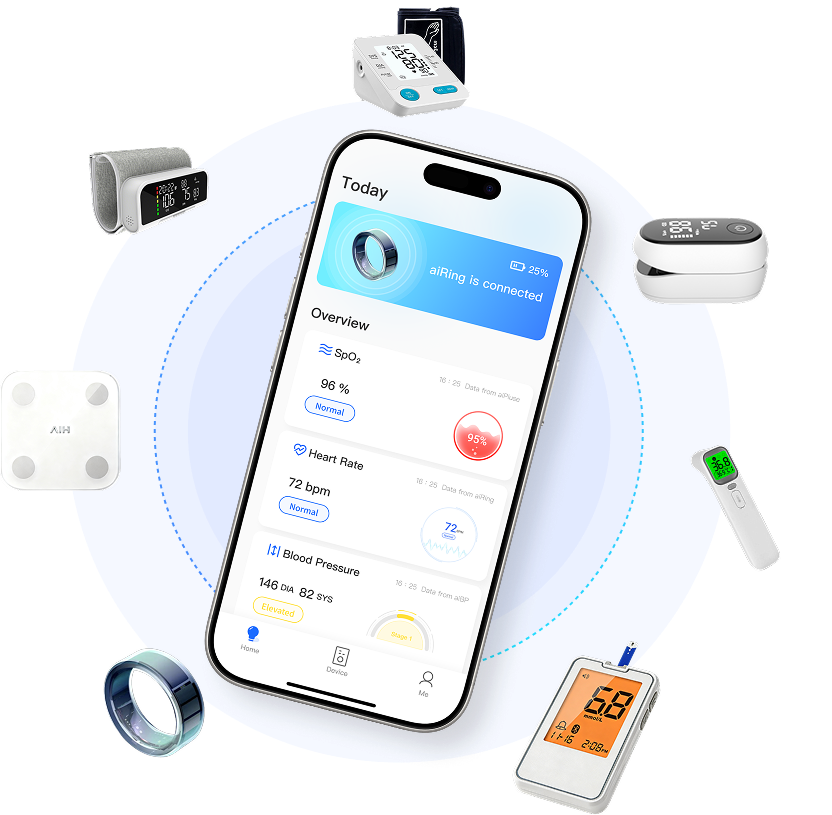
Ring-based and wrist-based wearables differ mainly in where they sit, how you interact with them, and how they fit a daily routine. This guide answers what’s the difference between ring-based wearables and wrist-based wearables, plus where AIHNET’s aiRing Lite and aiRing Ultra fit in.
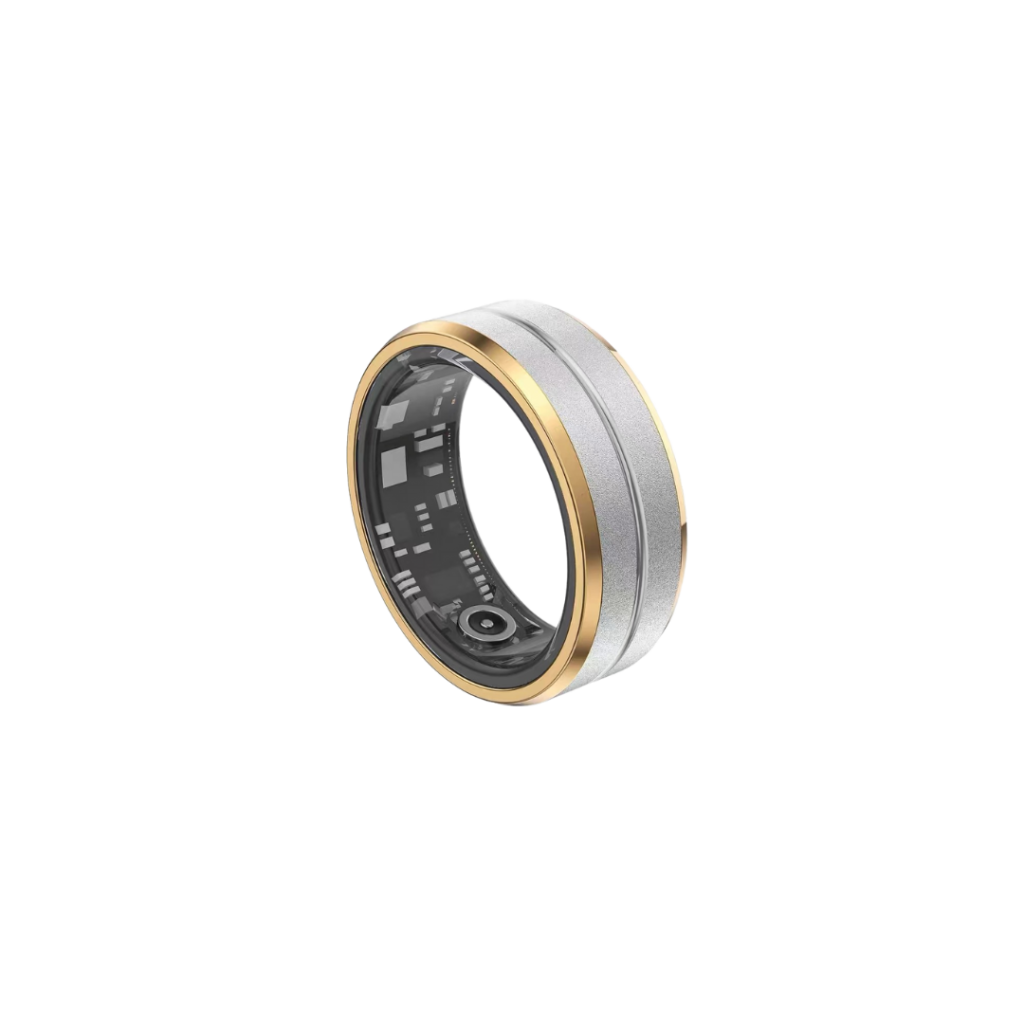
Ring vs Gymshark is not a comparison between two smart-ring models. Gymshark describes clothing, training content and a conditioning community; a smart-ring purchase needs a named device and its specifications. Start by clarifying what you want to buy.
Learn about AIH LLC, an organization that provides educational health information. Discover how it supports patients and caregivers with clear, non-diagnostic content.
Learn how realtime data processing works in healthcare, from wearable devices to patient monitoring. Understand benefits, privacy, and limitations in this patient-friendly guide.
Learn how real-time processing works in wearable health devices like smart rings, including data collection, on-device vs. cloud processing, and privacy considerations.
Learn how wearable sensors and digital biomarkers work, their benefits and limitations, and how they may support your health journey.
Learn how to interpret changes in your aiRing Ultra data over time. Understand normal fluctuations, long-term trends, and when to consult a healthcare provider.
Consistent routines may help your aiRing Ultra provide more reliable feedback. Learn how regular sleep, activity, and charging habits may improve the accuracy and usefulness of your health insights.

Use a six-field worksheet and three visit questions to organize what to record from aiRing Ultra summaries before a doctor visit: dated observations, your own comparison window, how you felt, missing context, and what to ask.