
What to look for when comparing non-wrist wearables
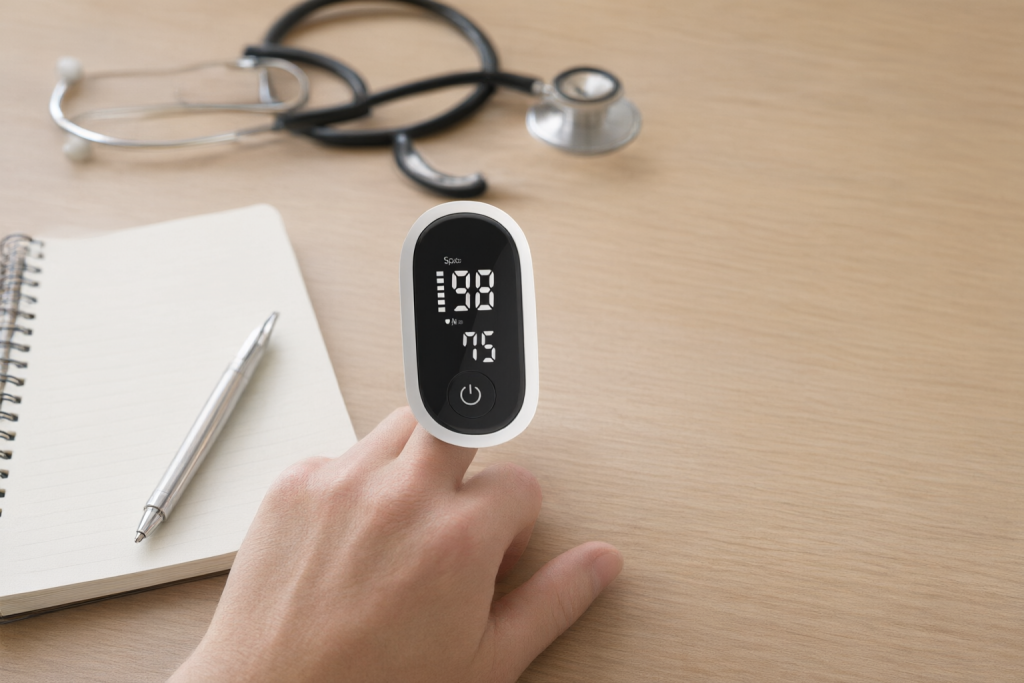
When you compare non-wrist wearables, the most useful starting point is a short list of practical checks rather than a single specification: what the device is designed to record, how it is worn or used during the day, how you review readings over time, and how it fits your existing routine. Non-wrist wearables include finger, ear, clip, and other form factors that do not sit on the wrist. Because these devices differ in shape and purpose, the same feature label can mean different things across models, so it helps to decide first whether you want occasional spot readings or a record you can review over time. That is a different job from a ring or a patch that is worn continuously. Once you know which job you want, check each candidate against that goal and confirm the details in the product's own documentation, because form factor, measurement type, and review workflow are the factors that most often decide whether a device fits real life.
What the evidence supports
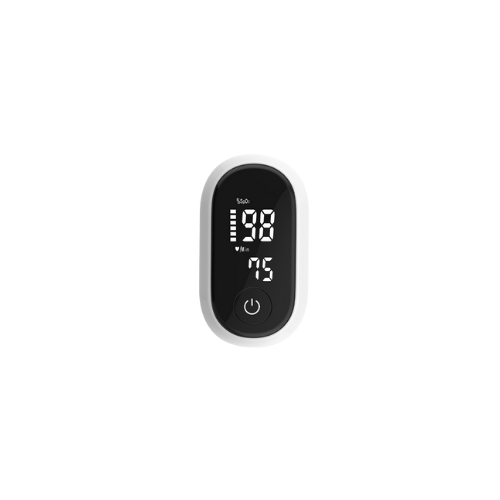
Confirmed product documentation gives a concrete example of how to read a non-wrist wearable's capabilities. aiOxy is a finger oximeter that spot-checks SpO2 and pulse rate and displays a perfusion index. Its stated SpO2 measurement range is 0–100%, with a display range of 35–100% and stated accuracy of ±2% at 70–100%; below 70% is unspecified. Its stated pulse-rate range is 25–250 bpm with stated accuracy of ±2 bpm. It has an OLED reading view with a pulse waveform or bar-graph signal display, uses two AAA batteries, and its stated dimensions are 63.4 × 36.0 × 33.6 mm with a weight of 38.1 g without batteries. It connects with aiCare through Bluetooth for supported SpO2 and pulse-data workflows. These are the kinds of facts you can compare across models: what the device measures, the stated ranges and accuracy, how it is powered, and how readings move into a review platform. For the review side, aiCare is AIHNET's connected-health software platform. It accepts and stores supported readings from device families including aiOxy, and it provides latest-by-device readings, device history, day samples, calendar summaries, metric history, and trend summaries. In other words, the comparison is not only about the sensor; it is also about where the numbers go and what you can do with them afterward. When a model's documentation does not state a detail, treat that detail as unconfirmed rather than assuming it.
| What to check | Confirmed example (aiOxy) | Why it matters for your choice |
|---|---|---|
| What it records | Spot-checks SpO2 and pulse rate; displays perfusion index | Tells you whether the device matches the job you have in mind |
| Stated measurement ranges | SpO2 0–100% (display 35–100%); pulse rate 25–250 bpm | Shows the documented scope of the readings you can expect to see |
| Stated accuracy | ±2% at 70–100% SpO2; ±2 bpm pulse rate | Gives you a documented reference point to compare across models |
| How it is worn or used | Finger oximeter; two AAA batteries; 63.4 × 36.0 × 33.6 mm; 38.1 g without batteries | Affects comfort, portability, and how easily it fits a daily routine |
| How readings are reviewed | Connects with aiCare through Bluetooth for supported SpO2 and pulse-data workflows | Determines whether you can organize and look back at readings over time |
Practical considerations
A useful comparison helps you choose, so it is worth turning the checks above into a short routine. First, write down the task: do you want occasional spot readings, or a record you can review across days and weeks? Second, match the form factor to that task. A finger oximeter is used at the moment of a reading, while a ring or patch may be worn for longer periods; each shape changes comfort, wear time, and how likely you are to use it consistently. Third, look at how the device presents information. aiOxy, for instance, shows an OLED reading view with a pulse waveform or bar-graph signal display, so you can see the reading and signal information on the device itself. Fourth, check the review workflow. If you want to look back at readings, confirm whether the device connects to a platform and what that platform provides. aiCare accepts and stores supported readings and offers latest-by-device readings, device history, day samples, calendar summaries, metric history, and trend summaries. Fifth, verify the practical details that affect daily use, such as power source and size. Finally, confirm anything the documentation does not state with the product support team rather than assuming it. If you are considering aiOxy, you can review the product page at https://www.aihnet.com/shop/aipulse/ for the confirmed details.
A short comparison routine
- Define the task Decide whether you want occasional spot readings or a record you can review over time.
- Match the form factor Consider how the device is worn or used, and whether that fits your comfort and daily routine.
- Check what it records Confirm the measurements and any displayed information, such as a perfusion index or signal display.
- Review the workflow Check whether readings can be organized and reviewed later, and what the companion platform provides.
- Verify the practical details Look at power source, size, and weight, and ask support about anything the documentation does not state.
Limits and responsible use
This article is general product education, not medical advice. It cannot tell you what a reading means for you, and it does not replace a clinician's judgment. A wearable or home device records information; it does not diagnose, treat, or decide what you should do. When you compare non-wrist wearables, use the confirmed documentation as your source for ranges, accuracy, and workflow, and treat unstated details as unknown. If a question about your health or a specific reading is on your mind, bring it to a qualified healthcare professional rather than relying on the device or this guide.