
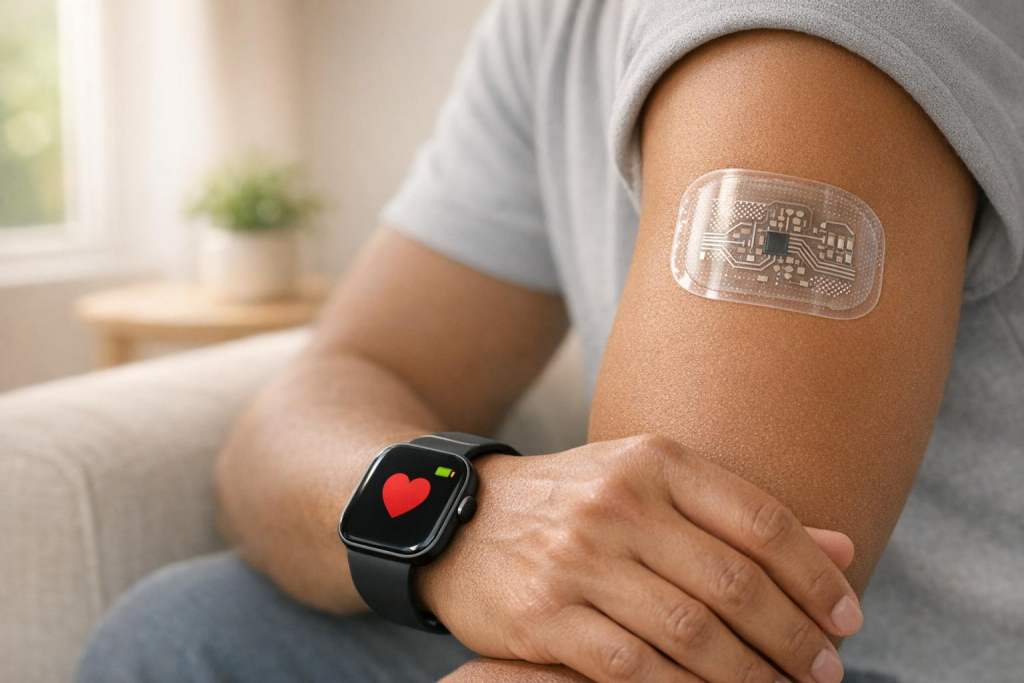
How Energy-Efficient Sensors Improve Health Monitoring
Low-power sensors and energy harvesting enable continuous, on-device AI health monitoring—longer battery life, improved comfort, and reliable chronic-care data.
Low-power sensors and energy harvesting enable continuous, on-device AI health monitoring—longer battery life, improved comfort, and reliable chronic-care data.

Practical steps to identify and reduce AI bias in chronic disease care: diverse data, fair training, monitoring, and clinician oversight.
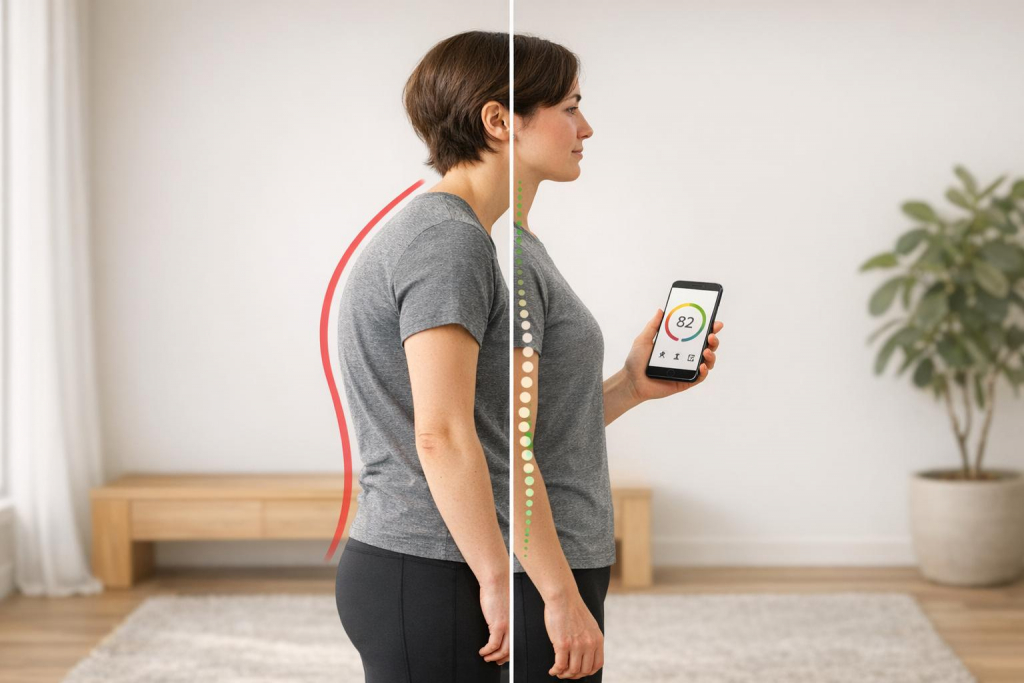
Check your posture health with our free calculator! Input height, weight, and issues to get a score and personalized tips to stand taller.
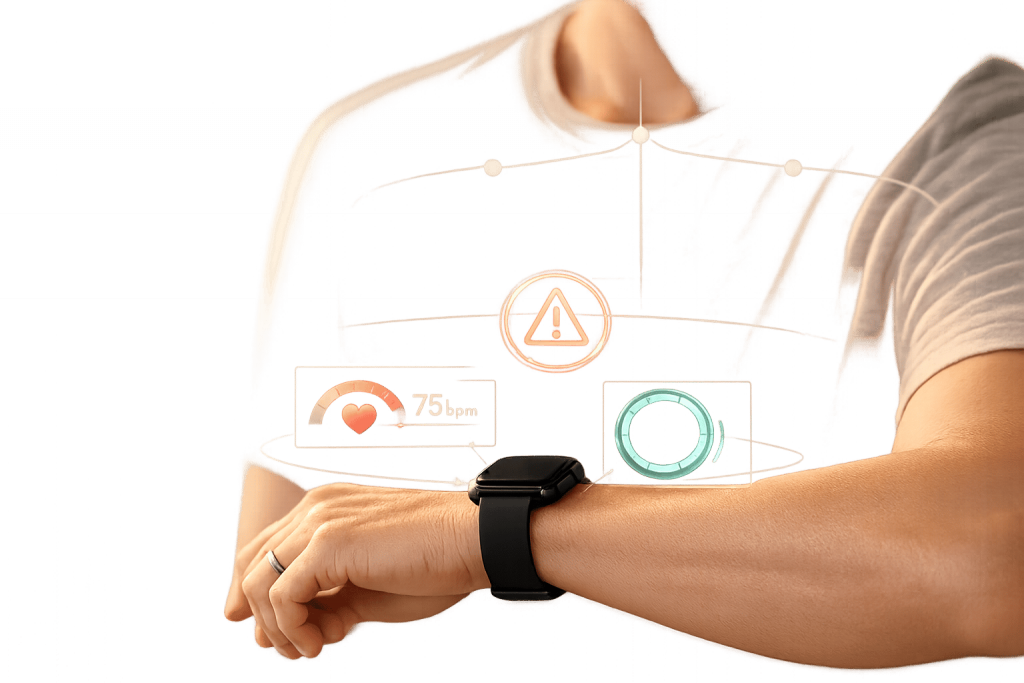
AI-driven, customizable feedback in wearables turns sensor data into personalized posture, vital-sign, and predictive health alerts.
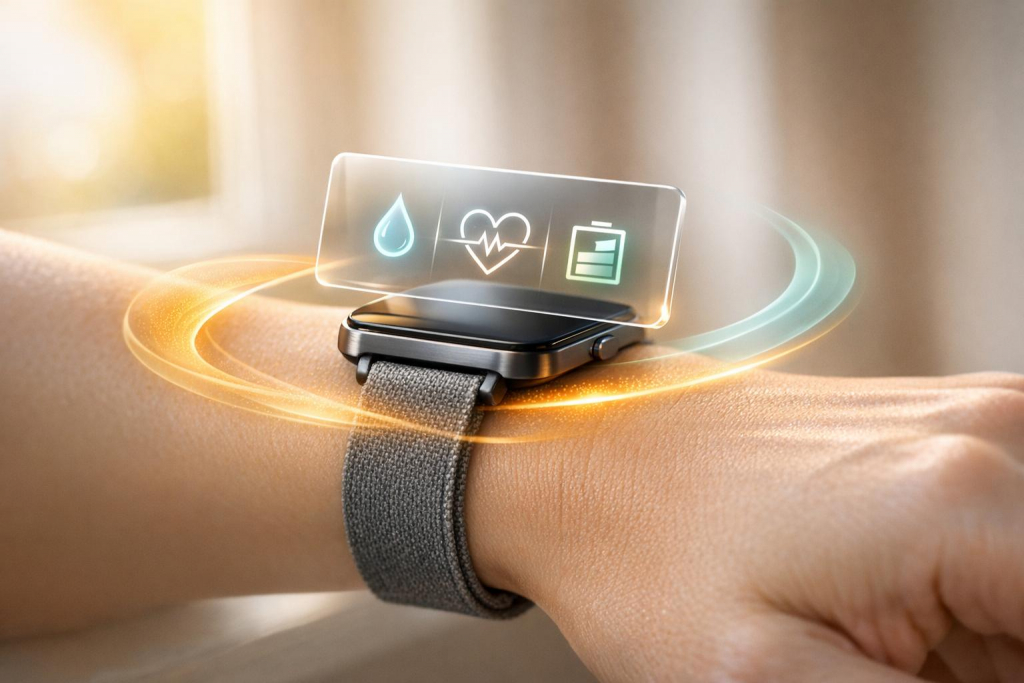
Energy-autonomous wearables use hybrid energy harvesting, low-power batteries, and on-device AI to enable continuous biomarker monitoring without frequent charging.
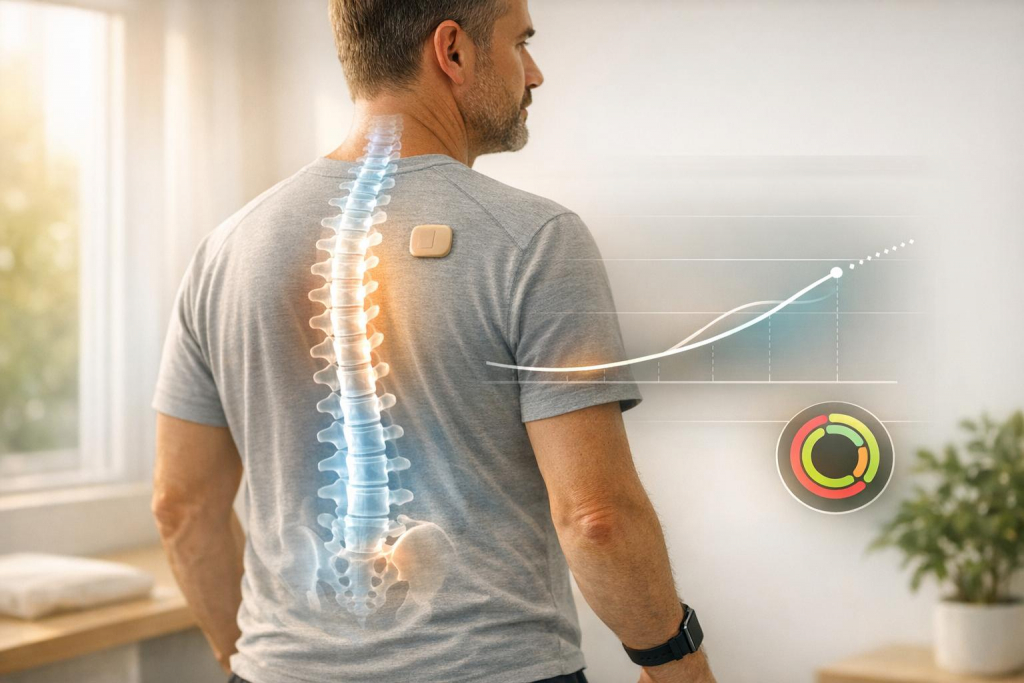
AI speeds spine imaging, boosts diagnostic accuracy, predicts disease progression, and enables personalized rehab with wearable monitoring.
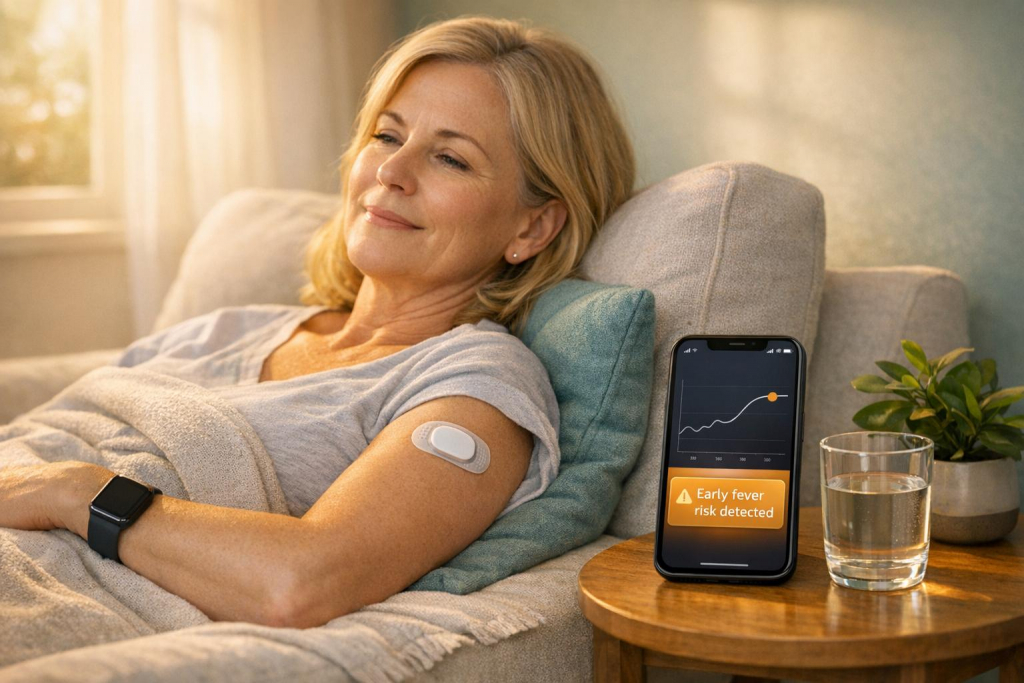
Continuous, non-invasive wearables detect post-surgical fever earlier and improve outcomes with AI-driven insights while highlighting contact and alert limitations.
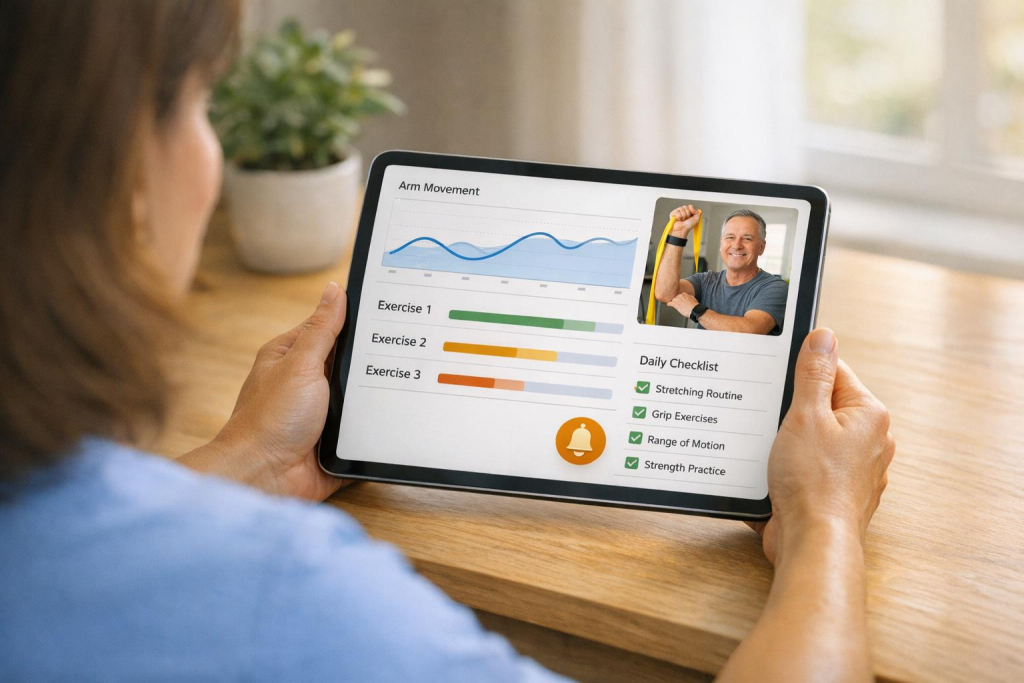
Wearable RTM protocols let occupational therapists track movement, boost exercise adherence, set clinical alerts, and meet updated CMS billing rules.
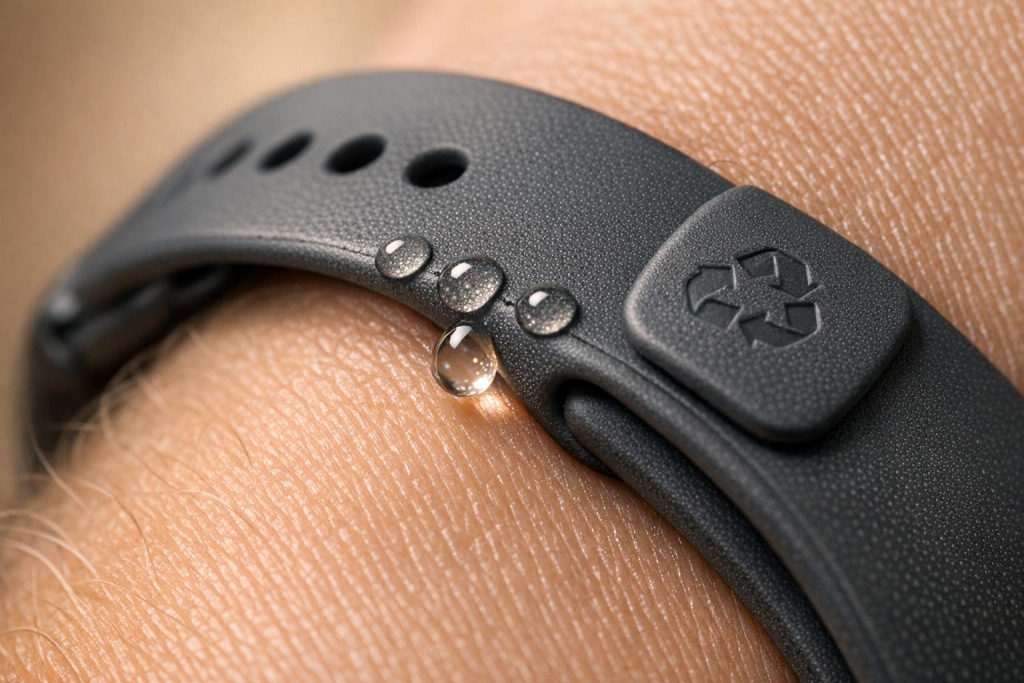
Medical-grade thermoplastic polymers (TPU) improve wearable comfort, durability, and biocompatibility while resisting sweat and supporting recyclable, eco-friendly designs.
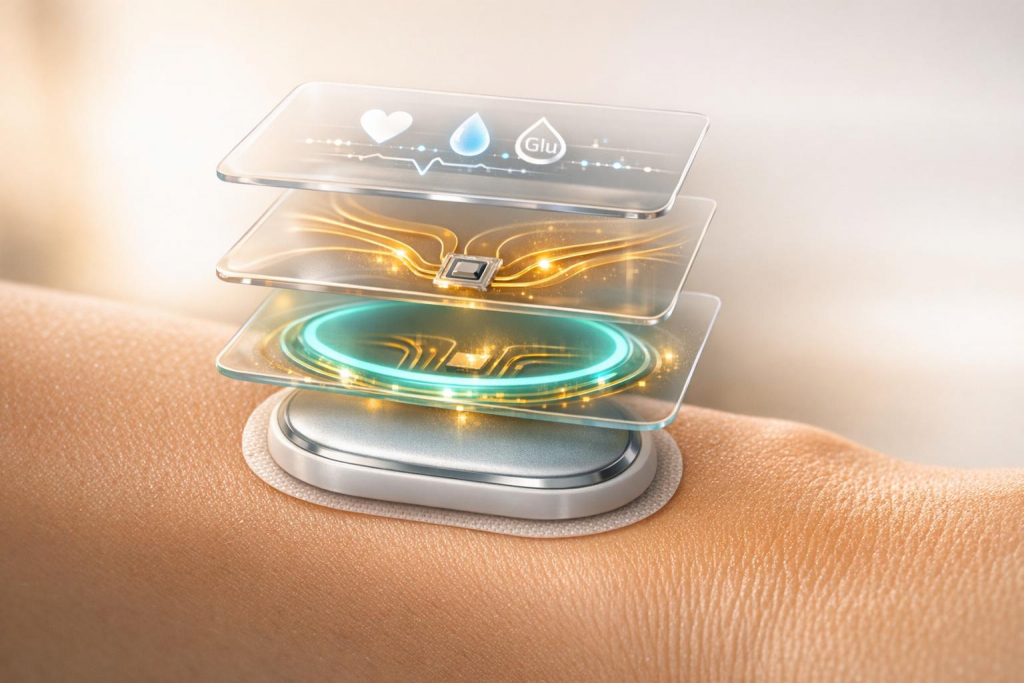
Wearable sensors combine electrochemical and optical sensing, microfluidics, flexible electronics, and AI to monitor chronic disease biomarkers in real time.