
Why a Diabetes Care Supply Checklist Helps
A diabetes care supply checklist is a simple organizational tool for keeping track of the consumable items used in an everyday monitoring routine. Instead of reordering only after something runs out, a written or digital list helps you notice low stock before a monitoring routine is interrupted. Common categories to track include blood glucose test strips, lancets, syringes, pen needles, and other supplies that are used regularly.
The checklist is not a clinical or treatment plan. It does not replace guidance from your care team, prescription instructions, or individualized medical advice. Its purpose is to help you stay organized and prepared so that the supplies you rely on are available when you need them.
Core Supply Categories at a Glance
The table below lists the main consumable and device categories commonly associated with home blood glucose monitoring. Exact quantities, brands, and prescription details depend on your own care plan and are not specified here.
| Category | Examples |
|---|---|
| Blood glucose meter | aiGlucoCare or another meter |
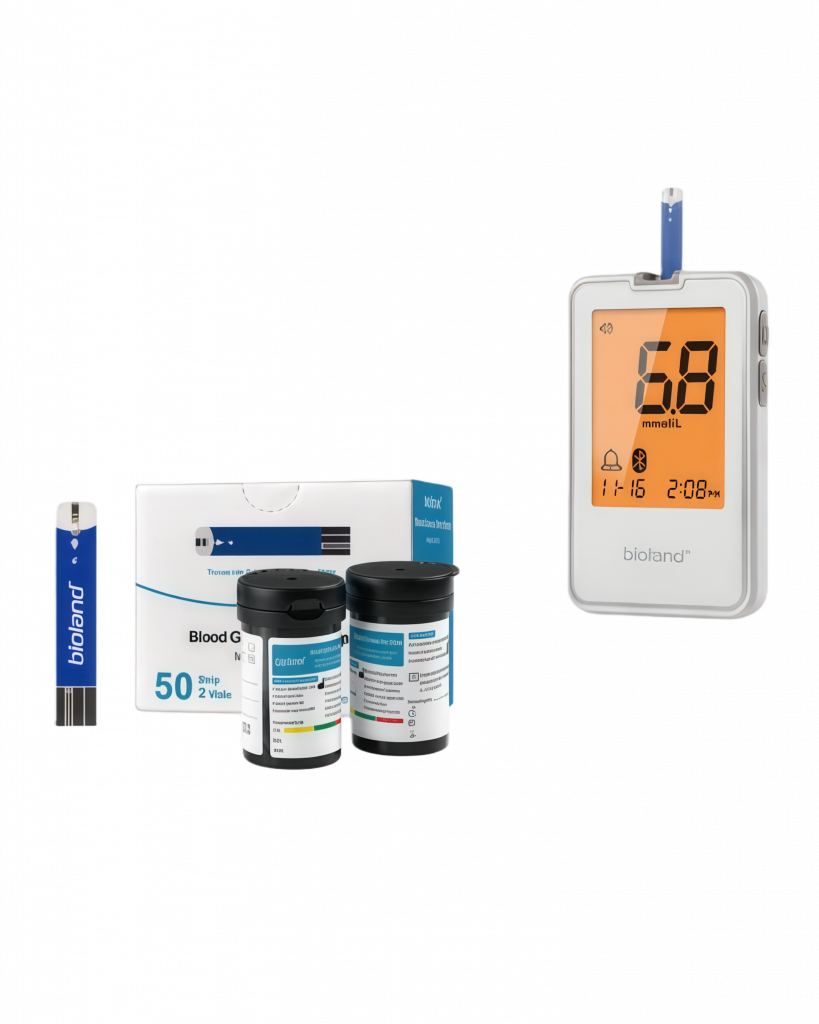
| Test strips | Strips designed for your specific meter model |
| Lancets | Single-use skin-puncture supplies |
| Lancing device | Device used with lancets |
| Alcohol swabs | For cleaning before a fingerstick |
| Sharps container | For safe disposal of lancets and needles |
| Syringes | As prescribed |
| Pen needles | For use with insulin pens |
| Insulin pens | As prescribed |
| Logbook or app | For recording supported readings |
Test Strips: Matching Strips to the Meter
Test strips are generally designed for specific meter models. Before using a new box of strips, confirm that they are compatible with your meter by checking the meter's instructions or the strip packaging. Using strips that are not intended for your meter may affect your ability to obtain a reading.
aiGlucoCare is a confirmed AIHNET blood glucose meter with a stated measurement range of 1.1-33.3 mmol/L, a stated sample volume of 0.7 microliters, and a stated result time of approximately five seconds. It measures glucose in fresh capillary whole blood and uses no-code operation. This article does not state or imply that any strip is compatible with meters other than the one it is designed for, and it does not interpret any reading.
Lancets and Lancing Supplies
Lancets are single-use skin-puncture supplies commonly included in home blood glucose monitoring. A lancing device and a sharps container are typically part of the same routine. The lancet gauge, depth settings, and how often to change a lancet are determined by your own instructions and are not specified here.
This article does not provide puncture technique, depth, or site-selection instructions. If you have questions about how to use lancets or your lancing device, refer to the product labeling or ask your care team.
Syringes and Pen Supplies
Syringes, pen needles, insulin pens, and sharps disposal containers are commonly tracked categories in a diabetes care supply list. These items are often used as part of a prescribed routine.
This article does not provide dosing, injection technique, needle-size selection, or medication storage instructions. Those details come from your prescriber or product labeling. This article does not recommend, compare, or rank any syringe or pen product.
Storage, Rotation, and Expiration Basics
General organizational practices can help you keep supplies ready for use. Keep supplies in a consistent, dry location. Check expiration dates before use, and rotate stock so that older items are used first. These habits can help reduce the chance of reaching for an expired item.
Specific temperature, humidity, and storage requirements vary by product. Confirm the requirements for each item on its individual product label. This article does not give medication-specific storage temperatures or claim that any storage method preserves accuracy.
A simple rotation routine
- Check dates Look at expiration dates on test strips, lancets, and other supplies before adding them to your storage area.
- Rotate stock Place newer items behind older ones so that older items are used first.
- Keep it dry Store supplies in a consistent, dry location, following any product-specific storage instructions on the label.
Where a Connected Meter Fits into the Supply Routine
A connected blood glucose meter can be one part of an everyday supply and monitoring routine. aiGlucoCare is a confirmed AIHNET blood glucose meter that measures glucose in fresh capillary whole blood, uses no-code operation, stores up to 500 results, and connects with aiCare through Bluetooth for supported blood-glucose data workflows.
aiCare is AIHNET's connected-health software service, and aiGlucoCare belongs to the aiCare ecosystem and connects with aiCare through Bluetooth for supported blood-glucose data workflows. This article does not claim automatic or background synchronization, exact Bluetooth profile or version, OS-version compatibility, or that the app interprets readings or provides medical advice.
You can learn more about aiGlucoCare on the product page.
Restocking and Travel Checklist
Before restocking or packing for travel, a short check can help you avoid being caught without the supplies you rely on. Confirm that your test strips match your meter, count remaining lancets and pen needles, verify expiration dates, include a sharps container, and carry backup supplies in a separate bag.
Travel documentation, security screening rules, and medication carriage requirements vary. Confirm those details with the relevant authority or your prescriber. This article does not give legal, customs, or airline-specific instructions.
Frequently Asked Questions
What supplies are usually included in a diabetes care checklist?
Common categories include a blood glucose meter, test strips, lancets, a lancing device, alcohol swabs, a sharps container, syringes, pen needles, insulin pens, and a logbook or app. Exact items and quantities depend on your own care plan. This is an organizational list, not a prescription or treatment plan.
How do I know which test strips work with my meter?
Test strips are generally designed for specific meter models. Confirm compatibility using your meter's own instructions or labeling. aiGlucoCare is a confirmed AIHNET blood glucose meter, but this article does not state or imply strip compatibility with any other meter.
How should I store and rotate diabetes supplies?
General practices include keeping supplies in a consistent, dry location, checking expiration dates before use, and rotating stock so older items are used first. Specific temperature, humidity, and storage requirements vary by product and should be confirmed on the individual product label. This article does not give medication-specific storage temperatures.
Does aiGlucoCare send my readings to the aiCare app?
aiGlucoCare connects with aiCare through Bluetooth for supported blood-glucose data workflows. aiCare is AIHNET's connected-health software service, and aiGlucoCare belongs to the aiCare ecosystem. This article does not claim automatic or background synchronization, exact Bluetooth profile or version, OS-version compatibility, or that the app interprets readings or provides medical advice.
Can this checklist tell me how much insulin to use or how to inject?
No. This article does not provide dosing, injection technique, needle-size selection, or medication guidance. Those details come from your prescriber or product labeling. This article does not offer any individualized medical action or interpretation of a measurement result.
How many readings can aiGlucoCare store?
aiGlucoCare stores up to 500 results. The stated result time is approximately five seconds, and the stated sample volume is 0.7 microliters. These specifications are not extended into accuracy, clinical reliability, or outcome claims.