
Understanding Pulse Oximeters and Their Use
A pulse oximeter is a small, non-invasive device that clips onto your finger to measure blood oxygen saturation (SpO2) and pulse rate. It works by shining light through your skin to estimate the percentage of oxygen in your blood. Pulse oximeters are used in clinical settings and are also available for home monitoring. However, it's important to understand that consumer pulse oximeters are not medical diagnostic tools; they are intended for general wellness and informational purposes. This article explains how the FDA regulates consumer pulse oximeters and what that means for you.
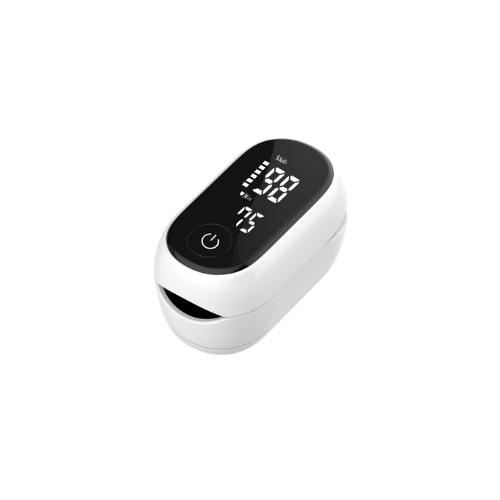
How the FDA Classifies Medical Devices
The U.S. Food and Drug Administration (FDA) classifies medical devices into three risk-based categories: Class I (low risk), Class II (moderate risk), and Class III (high risk). Pulse oximeters are typically classified as Class II devices, which means they are subject to special controls to ensure reasonable safety and effectiveness. Consumer pulse oximeters, like those sold over the counter, fall into this category. The FDA's classification system helps determine the level of regulatory scrutiny a device must undergo before it can be marketed.
FDA Clearance vs. Approval: What's the Difference?
Many people confuse FDA clearance with FDA approval, but they are different pathways. FDA clearance, often via the 510(k) process, is required for devices that are 'substantially equivalent' to a legally marketed device (a predicate). This pathway is less rigorous than FDA approval, which is required for high-risk Class III devices and involves a Pre-Market Approval (PMA) application with clinical evidence. Most consumer pulse oximeters are cleared through the 510(k) pathway, meaning they have demonstrated equivalence to an existing device, but they have not undergone the same level of testing as a PMA-approved device.
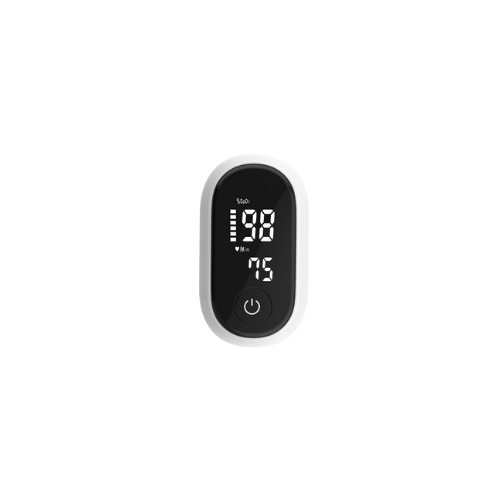
Regulatory Requirements for Consumer Pulse Oximeters
For a consumer pulse oximeter to receive FDA clearance, it must meet specific regulatory requirements. These include performance testing to ensure accurate measurement of SpO2 and pulse rate, labeling requirements that clearly state the device's intended use and limitations, and adherence to quality system regulations. Importantly, consumer pulse oximeters are not intended for medical diagnosis or treatment. Their labeling must reflect this, and they are not meant to replace professional medical advice.
What FDA Regulation Means for Consumers
FDA clearance indicates that a pulse oximeter has met certain regulatory standards for safety and performance. No pulse oximeter is 100% accurate for every individual; readings can be affected by factors such as nail polish or poor circulation. Therefore, it's essential to use pulse oximeter readings as a general trend indicator, not as a definitive medical measurement. If you have concerns about your oxygen levels, you should consult a healthcare professional.
Choosing a Consumer Pulse Oximeter: Key Considerations
When selecting a consumer pulse oximeter for home use, consider the following: Look for a device that is FDA cleared, as this indicates it has met basic regulatory standards. Read the label to understand the device's intended use and any limitations. Ensure the device is suitable for your needs, such as for spot-checking or continuous monitoring. Also, consider ease of use, display readability, and battery life. Remember, no device is perfect, so always interpret readings with caution and consult a healthcare provider if you have any concerns.
Frequently Asked Questions
This section answers common questions about FDA regulation of pulse oximeters.
Frequently Asked Questions
Does FDA clearance mean a pulse oximeter is 100% accurate?
No. FDA clearance indicates that the device met regulatory standards for safety and performance, but no device is 100% accurate for every person. Readings can be affected by factors like nail polish or poor circulation. Use readings as a general trend, not a medical diagnosis.
What is the difference between FDA clearance and FDA approval?
FDA clearance (510(k)) is for devices that are substantially equivalent to a legally marketed device, while FDA approval (PMA) is for higher-risk devices requiring more rigorous evidence. Most consumer pulse oximeters are cleared, not approved.
Are consumer pulse oximeters regulated as medical devices?
Yes, the FDA regulates them as medical devices, but they are intended for over-the-counter use, not for diagnosis or treatment. They must meet labeling and performance requirements.
How should I use my pulse oximeter readings?
Use readings as one part of your health awareness, not as a basis for medical decisions. If you have concerns about your oxygen levels, consult a healthcare professional. Do not adjust medications or treatments based solely on readings.
Sources
- Use clinically credible sources during final review, such as peer-reviewed literature, specialty society guidance, or government health resources.