
aiScale Lite Home Weight Records: Worksheet and Example
If two home readings seem inconsistent, first check whether the records are like-for-like. If the scale, unit, location, timing or clothing changed, note that difference before interpreting the numbers: the entries were recorded under different conditions, which limits a direct comparison. This guide helps adults prepare clearer, comparable home weight records with a six-field worksheet and a hypothetical example. NHS England’s How to Record Your Weight advises using the same scales in the same location on a level surface, weighing consistently at the same time of day, and wearing similar clothing. Keep still until the number stops moving, then record your weight. Its general guidance suggests regular weekly-to-monthly intervals.[source]
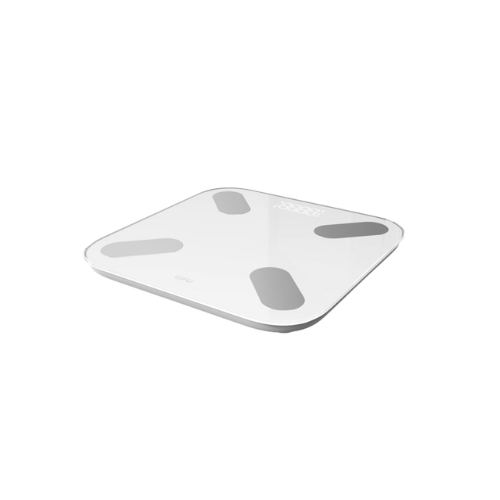
aiScale Lite is intended for general wellness and informational purposes. It uses bioelectrical impedance analysis to estimate body composition, but these numbers are informational only. The scale has a weighing range of 0.1 to 180 kg and a graduation of 0.1 kg or 0.2 lb, as stated in the international English manual. It runs on AAA batteries and has dimensions of 260 x 260 x 24.5 mm, with a net weight of 1 kg.
| What to record | Your note |
|---|---|
| Date and time | [Your note] |
| Weight and unit | [Your note] |
| Same scale and location | [Your note] |
| Clothing | [Your note] |
| Measurement context | [Your note] |
| Note or question | [Your note] |
| Entry | Context | What can be compared |
|---|---|---|
| A | Monday morning, same scale and location, light clothing | Comparable baseline entry |
| B | Monday evening, after a meal, different clothing | Context differs from A, so a direct comparison is limited |
| C | Next comparable morning record, same scale and location, similar clothing | Context matches A, so the two entries can be compared on like-for-like terms |
Why Matching Conditions Matter and How to Save Records
aiScale Lite pairs with aiCare over Bluetooth. To read stored records, open the scale detail page in aiCare and tap Read Device Data. Follow the on-screen instructions, then select the readings you want to upload, as described in the product manual. Record the circumstances of those measurements in your personal worksheet. For confirmed product information, see the aiScale Lite product page: https://www.aihnet.com/shop/aifatcare/.
Two entries are easier to compare when the scale, unit, location, timing and clothing are similar. In the hypothetical example, entry B differs from A in timing, food and clothing, while C uses conditions similar to A. Note those differences before interpreting the numbers: the worksheet helps you identify comparable records, not explain why weight changed. Follow any recording plan given by your care team.[source]
Three Questions Before Comparing Weight Records
Before comparing two entries, ask three questions. Were the scale and unit the same? Were the time, clothing and circumstances comparable? What record and frequency should I follow if my care team gave me a plan? Use the six-field worksheet to keep these details together. In the hypothetical example, entry B has a different context from A; entry C uses conditions similar to A. This helps you decide which records to bring to a discussion, rather than drawing a health conclusion from one number.
Keep the weight record separate from body-composition estimates. The scale uses bioelectrical impedance analysis to estimate body composition, as described in its manual. For entries you intend to compare, note whether the scale, location, timing and clothing were similar. Follow your care team’s recording schedule if one has been provided. Readings are for reference and should not be used for medical purposes.[source]
Limits and responsible use
The product manual states that readings are for reference and should not be used for medical purposes. Body-composition estimates should be read within that scope. If you have a health concern, discuss it with a qualified healthcare professional rather than drawing a conclusion from a single reading.
Additionally, the scale's measurements are not a guarantee of any health outcome. Weight and body composition can fluctuate for many reasons, and the scale simply reflects those changes. Use the data as part of a broader approach to health, and avoid making drastic decisions based on a single reading. For any questions about the product's features or usage, refer to the official manual or contact AIHNET support.
Sources
NHS England’s How to Record Your Weight gives general advice on consistent timing, similar clothing, the same scales and location, keeping still while weighing, and recording the result. Its general weekly-to-monthly interval is separate from an individual recording plan given by a care team.[source]
References
- How to Record Your Weight — www.england.nhs.uk