
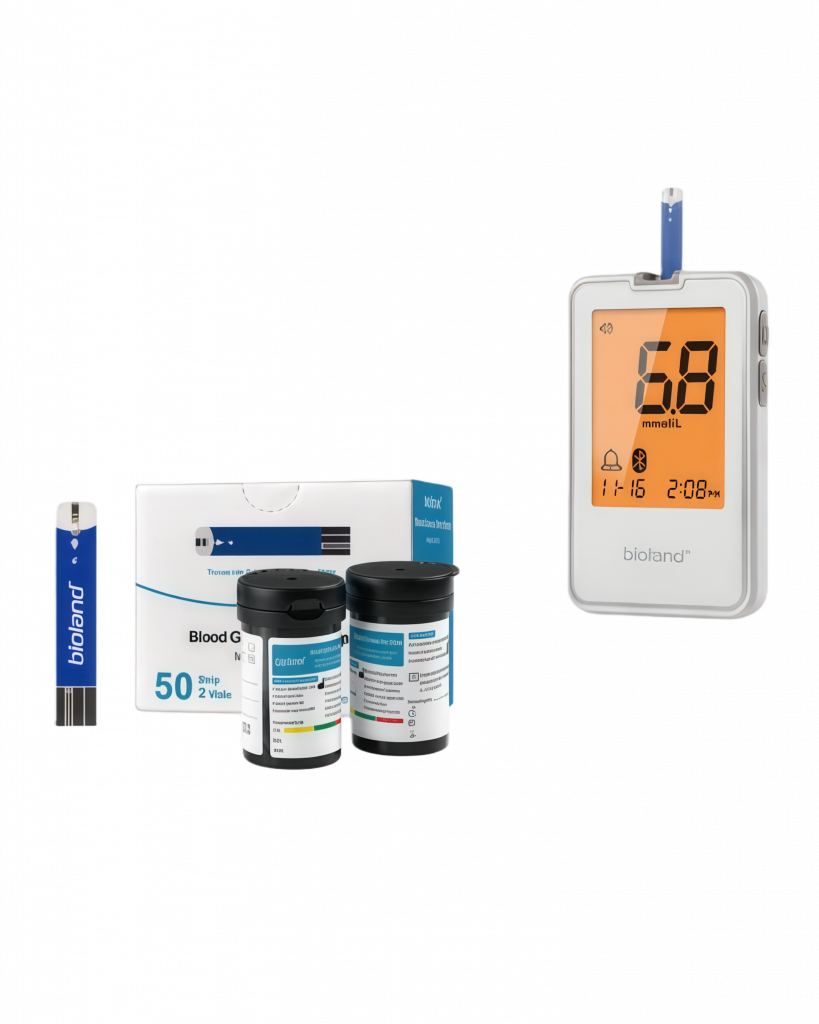
What Costs Are Involved in a Blood Glucose Meter and Test Strips?
When people look into blood glucose monitoring, the price tag they see first is often the meter itself. But the meter is usually only one part of the total picture. A typical setup also involves test strips, lancets for obtaining a blood sample, and sometimes control solution used to check that the system is working as expected. Because test strips are used with each measurement and are replaced regularly, ongoing strip costs often matter more over time than the one-time cost of the meter.
Actual prices vary widely by brand, retailer, and location, and they can change over time. For that reason, this article does not quote specific prices or make pricing promises. Instead, it focuses on the categories of cost to compare and the coverage questions worth asking before you buy. If you are building a full picture of diabetes supplies, our overview of a complete diabetes care supply checklist covers how lancets, strips, syringes, and pens fit together in an everyday routine.
How Insurance Coverage Basics Apply to Meters and Test Strips
Many insurance plans cover at least some diabetes testing supplies, but coverage is not automatic or uniform. Whether a meter or a box of test strips is covered generally depends on the specific plan, whether the supplies are considered medically necessary and documented as such, and whether the supplier meets the plan's requirements. Two people with different plans can therefore have very different out-of-pocket costs for the same type of supply.
Medicare is a useful public example of how coverage basics can work. According to Medicare's public information, Part B (Medical Insurance) covers some diabetic test supplies, including blood glucose test strips, as durable medical equipment (DME). After the Part B deductible, the beneficiary typically pays 20% of the Medicare-approved amount when the supplier accepts assignment. Medicare also notes that suppliers must be enrolled in Medicare and accept assignment for the item to be covered.[source]
This is a general description of coverage concepts, not a statement about any specific product. No product mentioned in this article should be assumed to be covered by Medicare or any other plan. Coverage varies by plan and is not automatic, so the practical takeaway is to check your own plan documents and confirm details with your insurance provider and supplier before purchasing.
Medicare Coverage Example: Blood Sugar Test Strips
Because test strips are the recurring cost in most monitoring routines, it helps to see how a public program describes them. Medicare's published guidance states that Part B covers some diabetic test supplies, including blood glucose test strips, as DME. After the Part B deductible is met, the beneficiary generally pays 20% of the Medicare-approved amount if the supplier accepts assignment.[source]
The same guidance notes that suppliers must be enrolled in Medicare and accept assignment, and that the specific amount a person could owe depends on several factors, including other insurance they may have, how much their doctor charges, whether the doctor accepts assignment, the type of facility, and where the test, item, or service is obtained. Medicare also advises asking your doctor or healthcare provider how much a test, item, or service will cost, since a provider may recommend services that Medicare does not cover or covers less frequently than recommended.[source]
This example illustrates how coverage basics can work for test strips in general. It does not extend to any AIHNET product, and it should not be read as a statement that a particular meter or strip is covered.
What to Check Before Buying a Meter or Test Strips
Before choosing a meter or restocking strips, a short checklist can prevent surprises. The goal is not to pick the cheapest option in the moment, but to understand the ongoing cost and coverage picture for your situation. The questions below are general and educational; they are not individualized purchasing or medical advice.
Practical checks before you buy
- Confirm the strip type Check whether the meter uses a specific test strip type or brand. Strips are not universally interchangeable, so a low meter price can be offset by harder-to-find or higher-cost strips.
- Review expiration and storage Look at strip expiration dates and storage requirements. Strips that expire before you can use them, or that are stored incorrectly, add to the effective cost of monitoring.
- Check formulary and supplier rules Ask your insurance plan whether the meter and strips are on its formulary or covered supply list, and whether you must use a specific supplier. Supplier requirements can affect what you pay.
- Match features to your routine Consider whether the meter's features fit how you actually monitor day to day, such as memory capacity and how results are recorded. Features that do not fit your routine are not a good value.
How aiGlucoCare Fits Into a Monitoring Routine
aiGlucoCare is AIHNET's blood glucose meter, and it maps to the manufacturer model Bioland G-427B. It is designed around no-code operation, meaning it does not require a setup code to use. The meter measures glucose in fresh capillary whole blood, with a stated measurement range of 1.1-33.3 mmol/L, a stated result time of approximately five seconds, and a stated sample volume of 0.7 microliters. It stores up to 500 results on the device.
aiGlucoCare belongs to the aiCare ecosystem and connects with aiCare through Bluetooth for supported blood-glucose data workflows. In other words, the meter is the measurement device, and aiCare is the connected-health software platform that receives, organizes, and presents supported connected health data. This article describes the product and its confirmed features only; it does not interpret readings or offer medical advice. You can view the product page for aiGlucoCare to see the confirmed details in one place.
Confirmed aiGlucoCare Specifications at a Glance
If you are comparing meters, a scannable list of confirmed specifications is often more useful than marketing language. The table below includes only facts confirmed for aiGlucoCare. It does not include unconfirmed technical details such as Bluetooth version or profile, automatic or background synchronization, or operating-system compatibility.
| Specification | Confirmed detail |
|---|---|
| Product name | aiGlucoCare |
| Manufacturer model | Bioland G-427B |
| Operation | No-code operation |
| Measurement range | 1.1-33.3 mmol/L (stated) |
| Memory | Up to 500 results |
| Result time | Approximately five seconds (stated) |
| Sample volume | 0.7 microliters (stated) |
| Sample type | Fresh capillary whole blood |
| Connectivity | Bluetooth connection to aiCare for supported blood-glucose data workflows |
Common Questions About Costs and Coverage
Cost and coverage questions tend to repeat, so it helps to gather the general answers in one place. The responses below are educational and apply broadly; they are not individualized advice, and they do not guarantee coverage for any product or situation. Coverage varies by plan and by personal circumstances.
Frequently Asked Questions
Does insurance typically cover blood glucose meters and test strips?
Many insurance plans cover at least some diabetes testing supplies, but coverage depends on the specific plan, medical necessity documentation, and supplier requirements. As a public example, Medicare Part B covers some diabetic test supplies, including blood glucose test strips, as durable medical equipment (DME). After the Part B deductible, the beneficiary typically pays 20% of the Medicare-approved amount when the supplier accepts assignment. This does not mean any specific product is covered, and coverage is never guaranteed.
What factors affect the cost of test strips?
Several general factors affect test strip costs: the brand, the quantity purchased, the retailer or supplier, whether the strips are covered by insurance, and whether they are bought out-of-pocket or through a supplier. Because these factors vary by person and location, costs differ from one situation to another. This article does not quote specific prices or make pricing promises.
Is aiGlucoCare covered by insurance?
Coverage depends on your individual insurance plan, and no specific coverage claim can be made here. Check with your insurance provider and your supplier to understand whether aiGlucoCare or its test strips are covered under your plan. Nothing in this article implies that aiGlucoCare is covered by Medicare or any other plan.
Does aiGlucoCare require a prescription?
Prescription requirements vary by product and by jurisdiction, so there is no single answer that applies to everyone. Check your local regulations and confirm with your supplier before purchasing. This article cannot provide a definitive answer for all situations.
How does aiGlucoCare connect to the aiCare app?
aiGlucoCare connects with aiCare through Bluetooth for supported blood-glucose data workflows. Details such as automatic or background synchronization, a specific Bluetooth version or profile, and operating-system compatibility are not confirmed here, so they are not claimed. For those specifics, refer to the product documentation or contact support.
References
- Blood sugar test strips — www.medicare.gov