
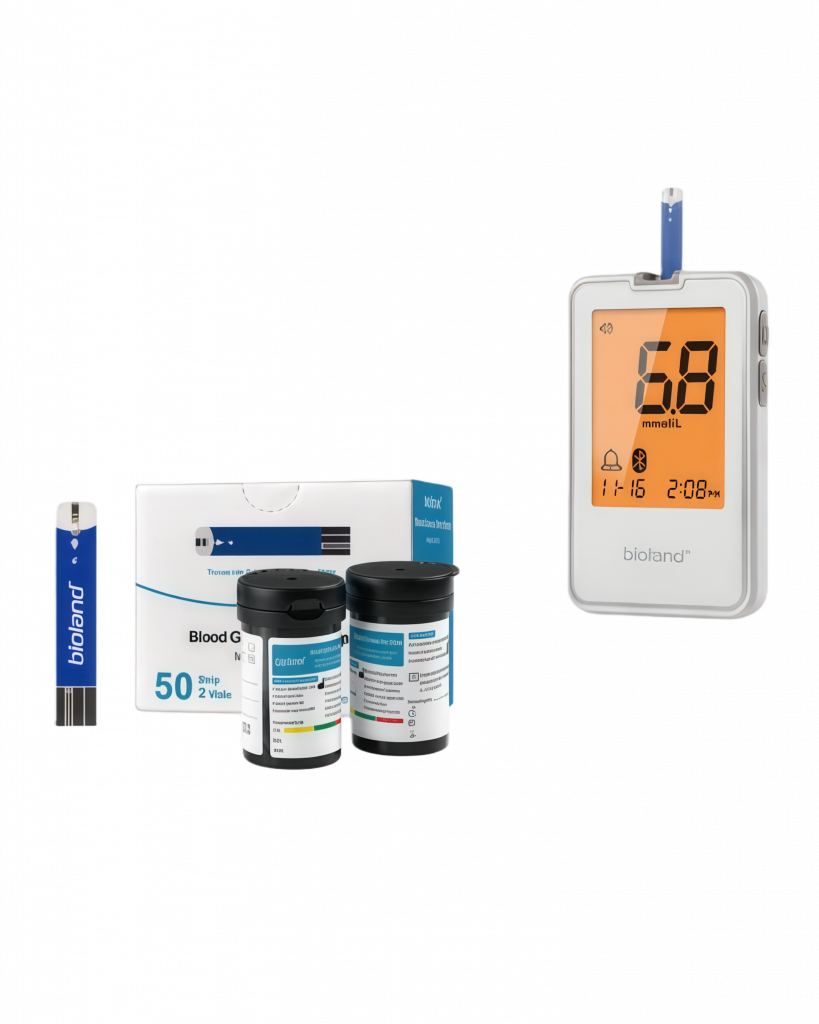
What How to interpret blood glucose readings means
Interpreting blood glucose readings means understanding what the number on your glucose meter represents and how it fits into your overall health picture. A blood glucose reading is a snapshot of the amount of sugar (glucose) in your blood at a specific moment. For most people, glucose levels fluctuate throughout the day based on food, activity, stress, and other factors. It is important to remember that a single reading is not a diagnosis or a complete evaluation of your health. Instead, it is one piece of information that, when tracked over time, can help you and your healthcare provider see patterns and make informed decisions about your daily routine.
How the information flow works
When you use a blood glucose meter like aiGlucoCare, the device measures the glucose concentration in a small sample of fresh capillary whole blood. The meter then displays the result in approximately five seconds. For example, aiGlucoCare provides a reading in approximately five seconds and requires only 0.7 microliters of blood. The device stores up to 500 results, allowing you to review your history directly on the meter.
To see longer-term trends, you can connect aiGlucoCare to the aiCare app via Bluetooth. aiCare is AIHNET's connected-health software platform that brings supported device data together, helping you organize and view your health information over time. By syncing your glucose readings, you can observe patterns and share the data with your healthcare provider during visits. This workflow is designed for everyday monitoring and does not replace professional medical advice.
Practical questions readers can ask
When you look at a blood glucose reading, it is natural to wonder what it means for you. Here are some neutral questions you can discuss with your healthcare provider to better understand your numbers:
Questions to ask about your blood glucose readings
- What is my target range? Ask your healthcare provider what blood glucose range is appropriate for your individual health situation.
- How often should I check? Your provider can recommend a testing schedule that fits your lifestyle and health needs.
- What factors might affect my readings? Discuss how food, exercise, stress, illness, and medications can influence your glucose levels.
- What should I do if my reading is outside my usual range? Your provider can guide you on when to take action and when to simply monitor trends.
Limits and responsible use
While blood glucose monitoring is a valuable tool for daily health management, it is important to understand its limitations. A single reading does not provide a complete picture of your health, and the device does not diagnose, treat, or prevent any medical condition. Always consult a qualified healthcare professional for personalized advice. If you experience symptoms of very high or very low blood sugar, seek medical attention promptly.
Remember to use your glucose meter as part of a broader health routine, and never adjust medications or treatments without professional guidance.