
What Blood glucose meter accuracy standards means
Blood glucose meter accuracy standards are formal criteria that manufacturers use to design and test their devices. These standards help ensure that the readings you see on a meter are close to the true glucose level in your blood. The most widely recognized international standard is ISO 15197, which specifies how meters should be evaluated for accuracy. In simple terms, a meter that meets this standard has been shown to produce results within a certain range of a laboratory reference method in controlled testing.
For people who monitor their glucose regularly, understanding these standards can provide context for what a reading means. However, no meter is perfect, and even devices that meet accuracy standards can show some variation. This article explains the general concept of accuracy standards, how testing works, and what questions you might ask when evaluating a meter.
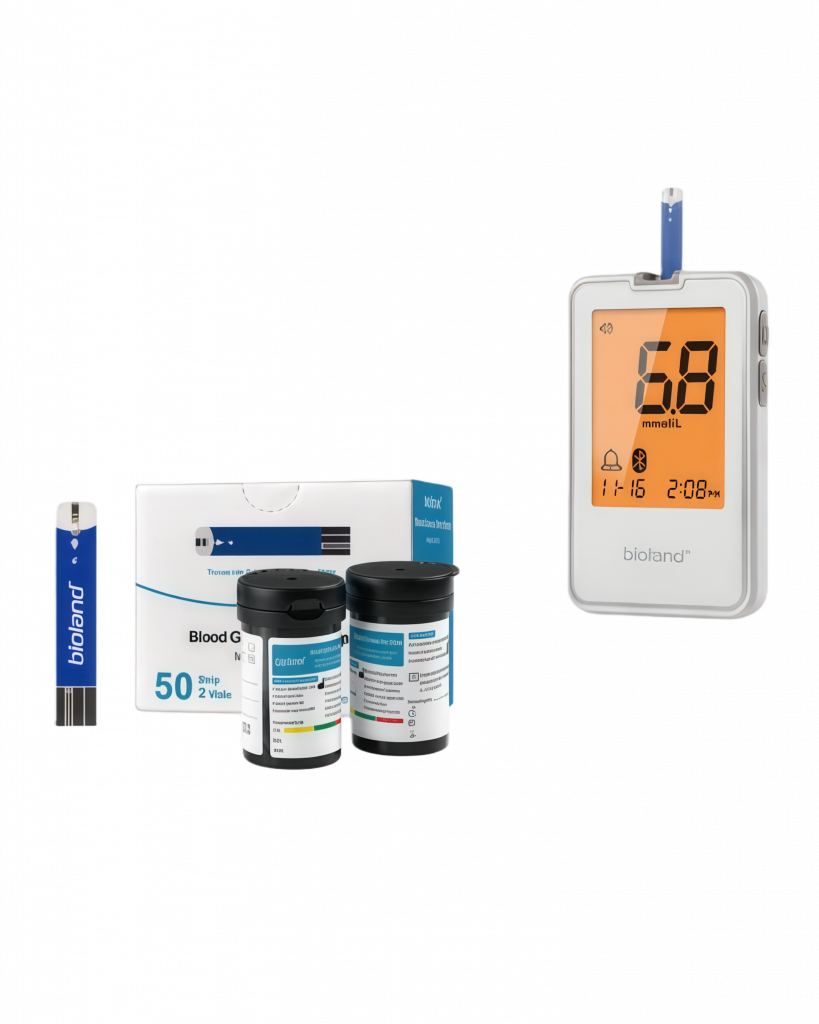
How the information flow works
Accuracy testing for blood glucose meters typically involves comparing the meter's readings to those from a laboratory analyzer using the same blood sample. The ISO 15197 standard, for example, requires that a certain percentage of readings fall within specific error ranges. For glucose concentrations below 5.6 mmol/L (100 mg/dL), readings should be within ±0.83 mmol/L (15 mg/dL) of the lab value. For higher concentrations, readings should be within ±15% of the lab value. These criteria are evaluated in controlled conditions, which may not reflect real-world use.
In everyday use, several factors can affect the accuracy of a blood glucose meter, including proper coding (if required), correct blood sample size, clean test strips, and proper storage. User technique, such as not applying enough blood to the strip, can also influence results. It's important to follow the manufacturer's instructions for use to help ensure reliable readings.
Practical questions readers can ask
When evaluating a blood glucose meter, you might ask: Does this meter meet ISO 15197 accuracy standards? How was the meter tested, and were the tests performed by an independent lab? What is the required sample size, and how easy is it to apply the blood? Does the meter require coding, or is it no-code? How many results can it store, and can it connect to a smartphone app for tracking? These questions can help you understand the device's features and limitations.
Questions to ask about a glucose meter
- Accuracy standard Does the meter claim to meet ISO 15197 or another recognized accuracy standard?
- Sample size and speed What is the required blood sample volume, and how long does it take to show a result?
- Ease of use Does the meter require coding, and is the test strip easy to handle?
- Data management How many results can the meter store, and can it sync with a health app for tracking over time?
Limits and responsible use
Blood glucose meters are tools for monitoring, not for diagnosis or treatment decisions on their own. Accuracy standards provide a baseline for performance, but they do not guarantee that every reading will be perfect. Always discuss your glucose results and any changes to your monitoring routine with a healthcare professional. This article is for educational purposes and does not replace professional medical advice.
References
- Use clinically credible sources during final review, such as peer-reviewed literature, specialty society guidance, or government health resources.