
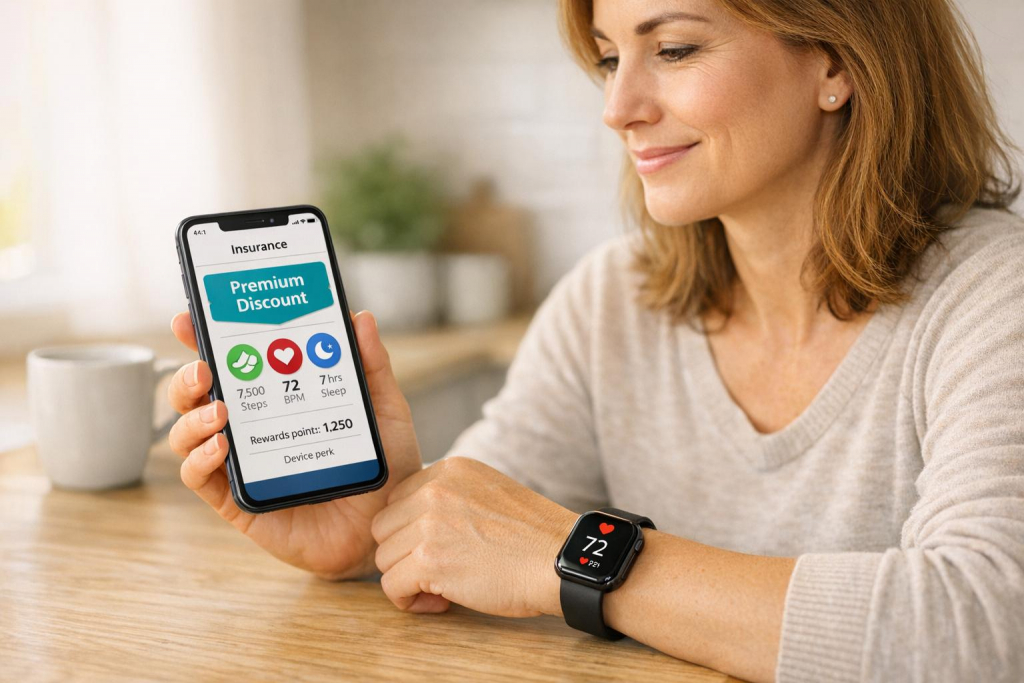
Insurance Discounts Through Health Tracking Compliance
How wearable data—steps, heart rate, sleep—earns premium discounts, rewards, and device perks while noting privacy and chronic-care uses.
How wearable data—steps, heart rate, sleep—earns premium discounts, rewards, and device perks while noting privacy and chronic-care uses.

How strategic partnerships help digital therapeutics overcome regulation, reimbursement, and adoption to reach patients worldwide.
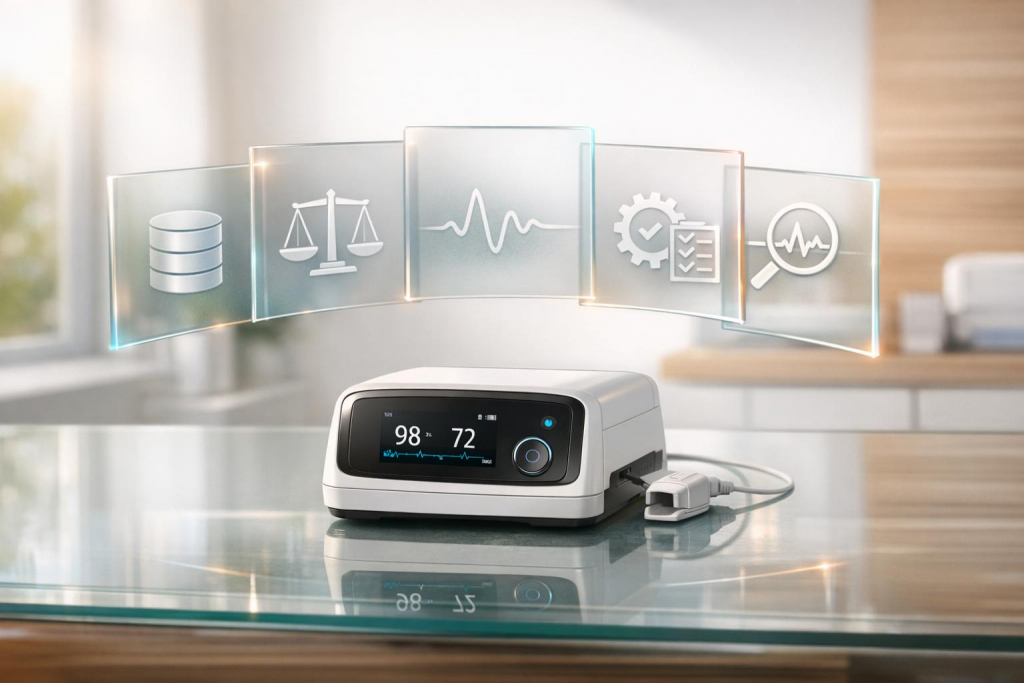
QMSR changes for AI/ML medical devices: data governance, bias, model drift, PCCPs, and continuous post-market monitoring.
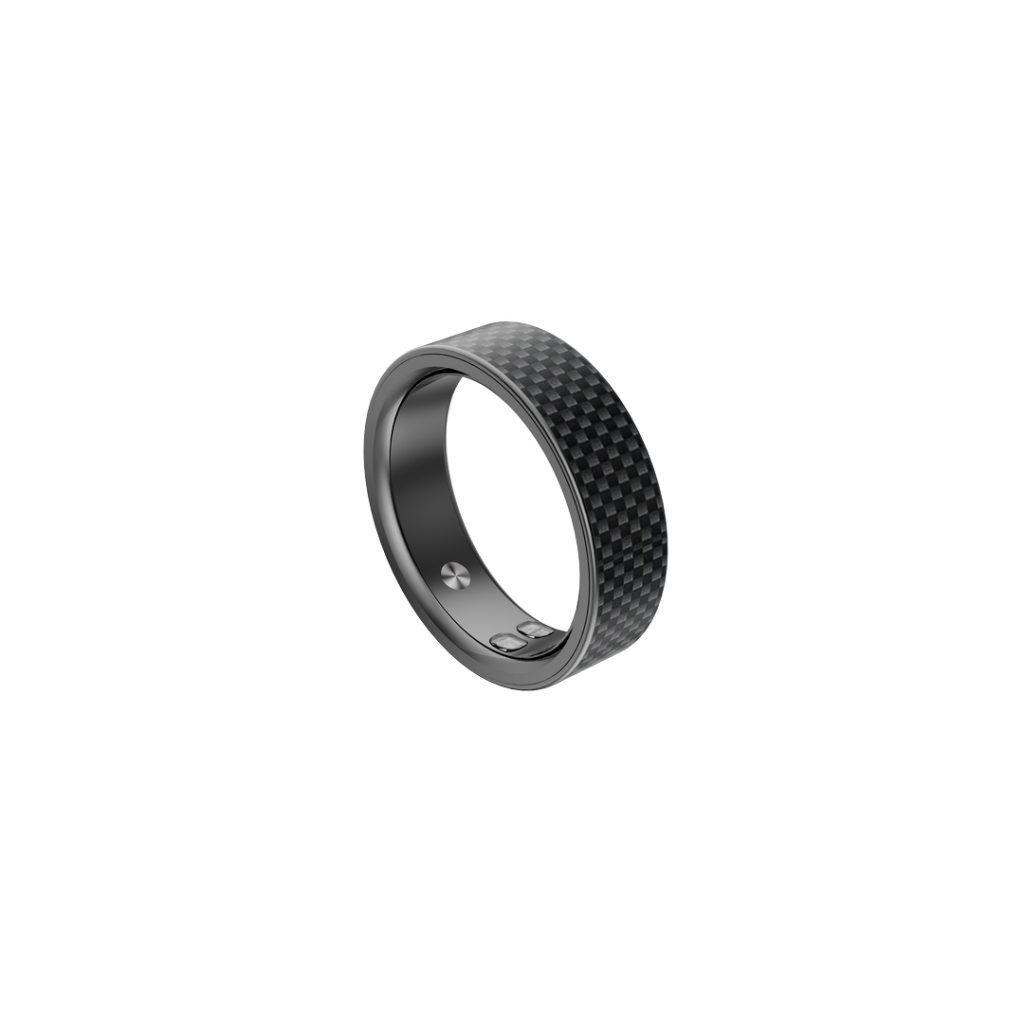
If you live with a long-term health condition and wake up feeling unrested, a sleep record can help you describe what has been happening. A wearable adds another view of the night; your own notes explain how that night affected your day. This guide shows how to keep those records separate, what sleep AI research actually studied, and where aiRing fits if you want an everyday tracking device.
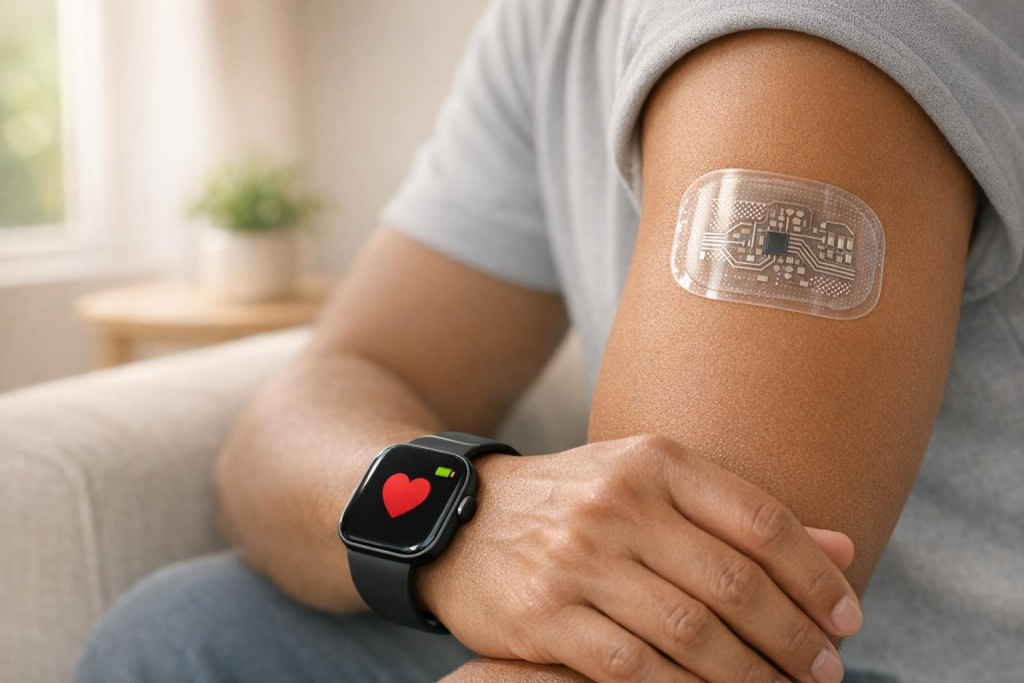
Low-power sensors and energy harvesting enable continuous, on-device AI health monitoring—longer battery life, improved comfort, and reliable chronic-care data.

Practical steps to identify and reduce AI bias in chronic disease care: diverse data, fair training, monitoring, and clinician oversight.
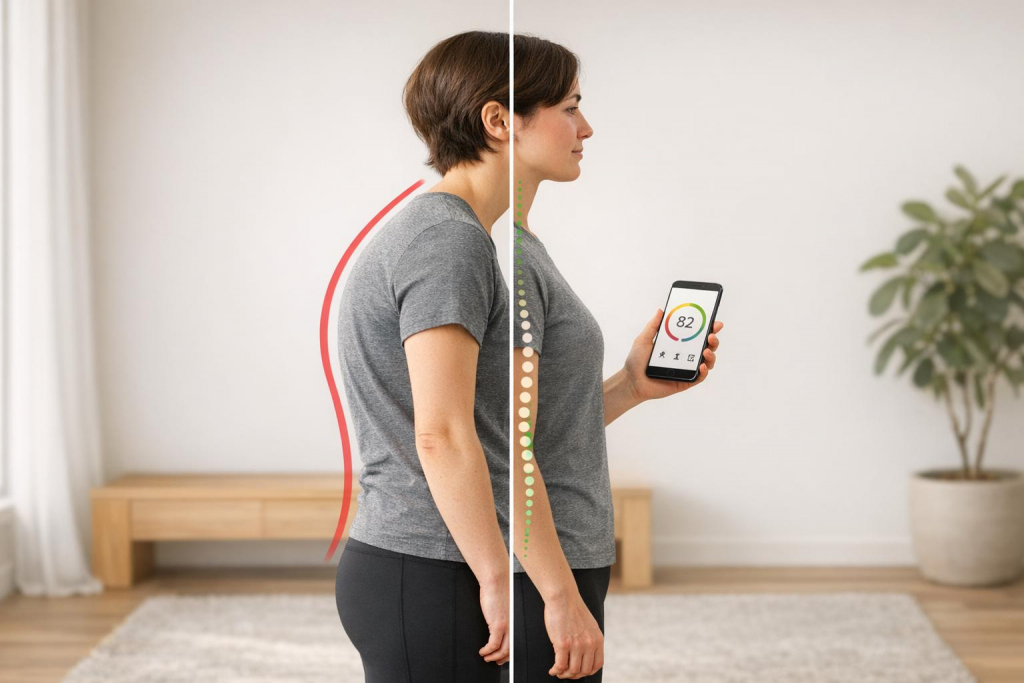
Check your posture health with our free calculator! Input height, weight, and issues to get a score and personalized tips to stand taller.
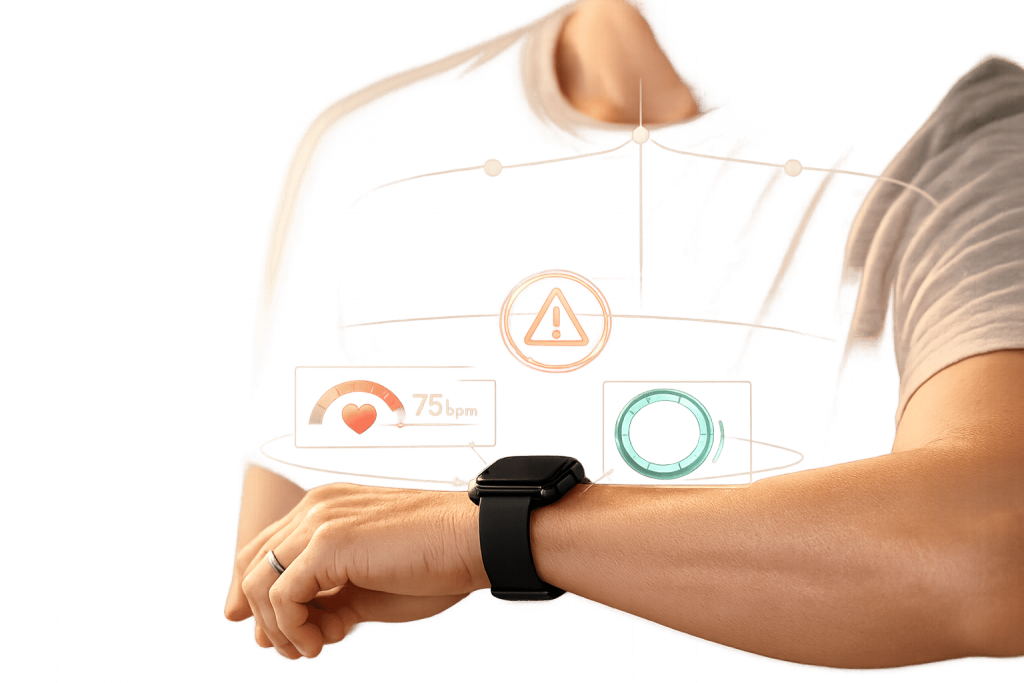
AI-driven, customizable feedback in wearables turns sensor data into personalized posture, vital-sign, and predictive health alerts.
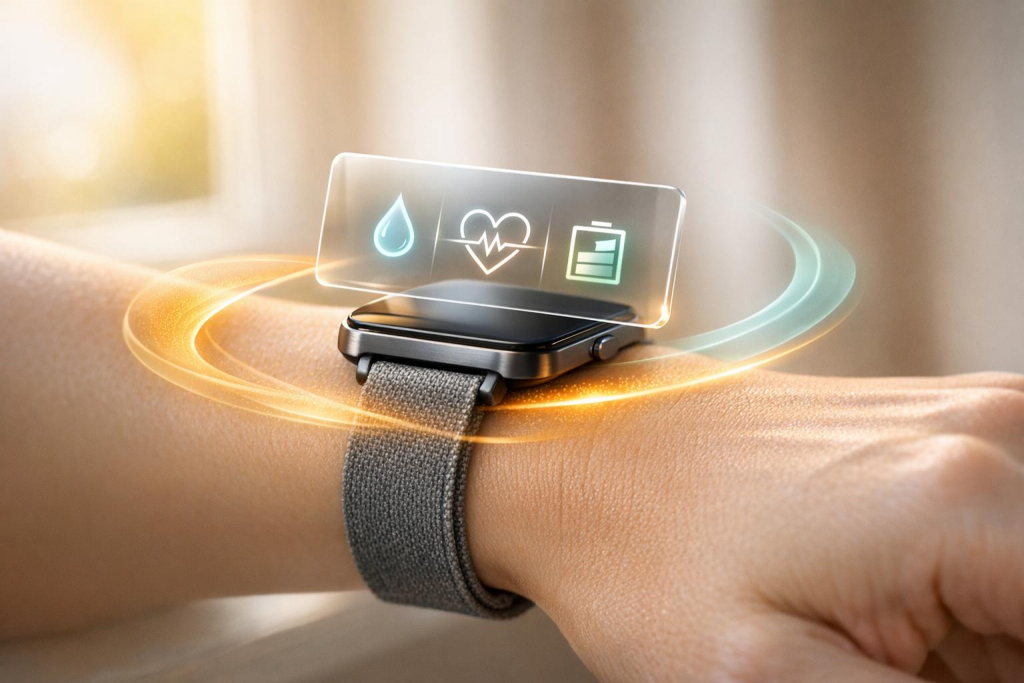
Energy-autonomous wearables use hybrid energy harvesting, low-power batteries, and on-device AI to enable continuous biomarker monitoring without frequent charging.
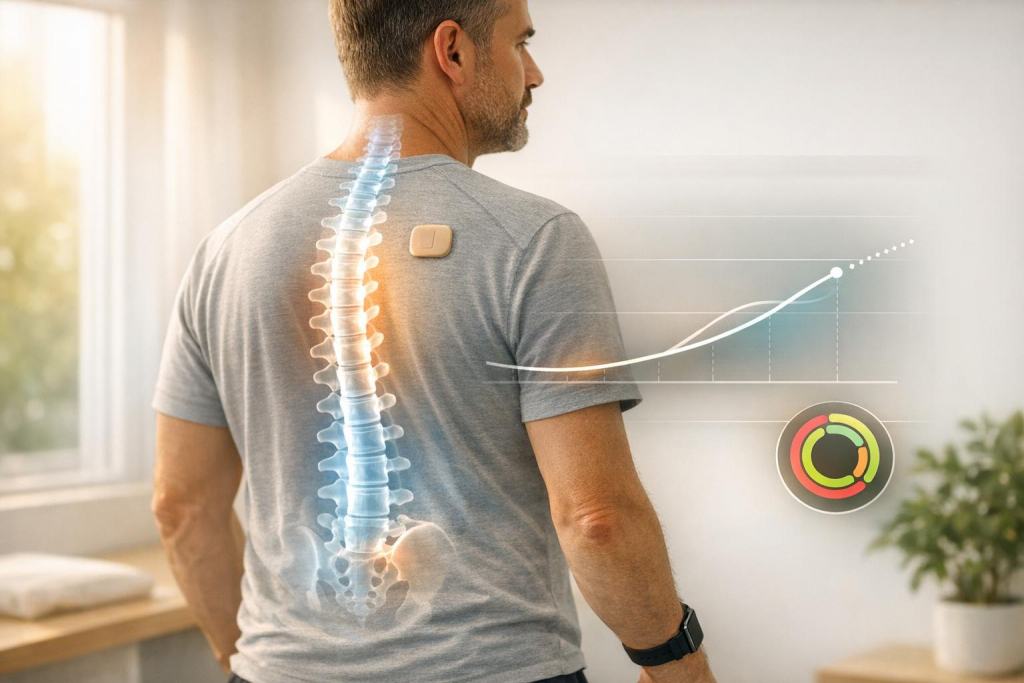
AI speeds spine imaging, boosts diagnostic accuracy, predicts disease progression, and enables personalized rehab with wearable monitoring.