
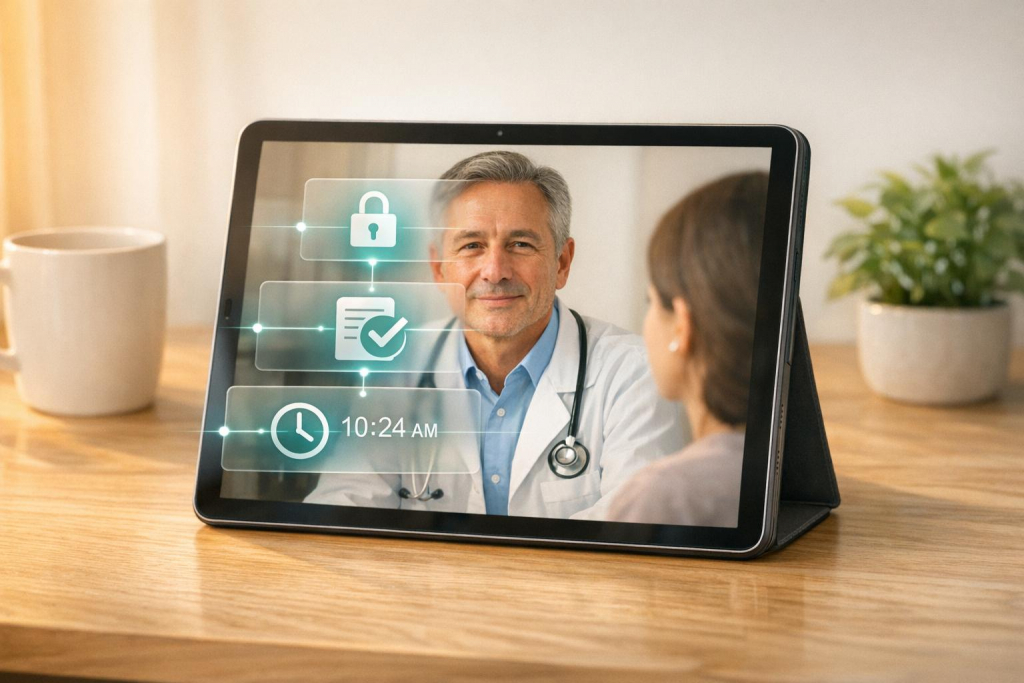
Blockchain in Telemedicine: Securing Patient Data
Blockchain secures telemedicine with decentralized records, smart-contract consent, and immutable audit trails.
Blockchain secures telemedicine with decentralized records, smart-contract consent, and immutable audit trails.
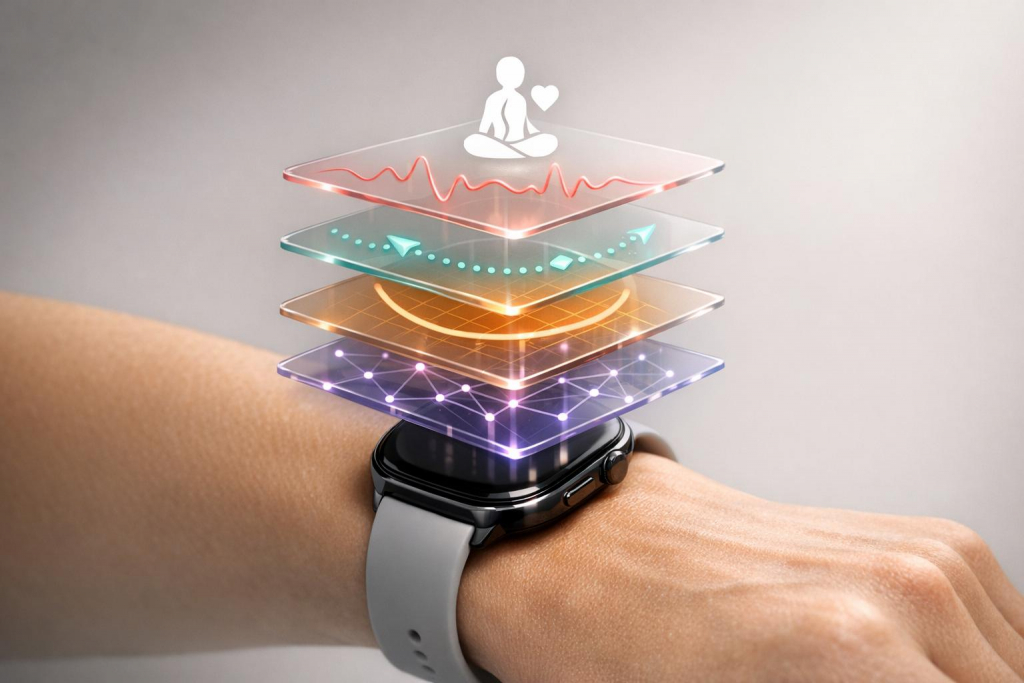
How multi-sensor wearables fuse accelerometer, PPG, IMU and AI data to deliver accurate posture, vitals, and chronic care insights.
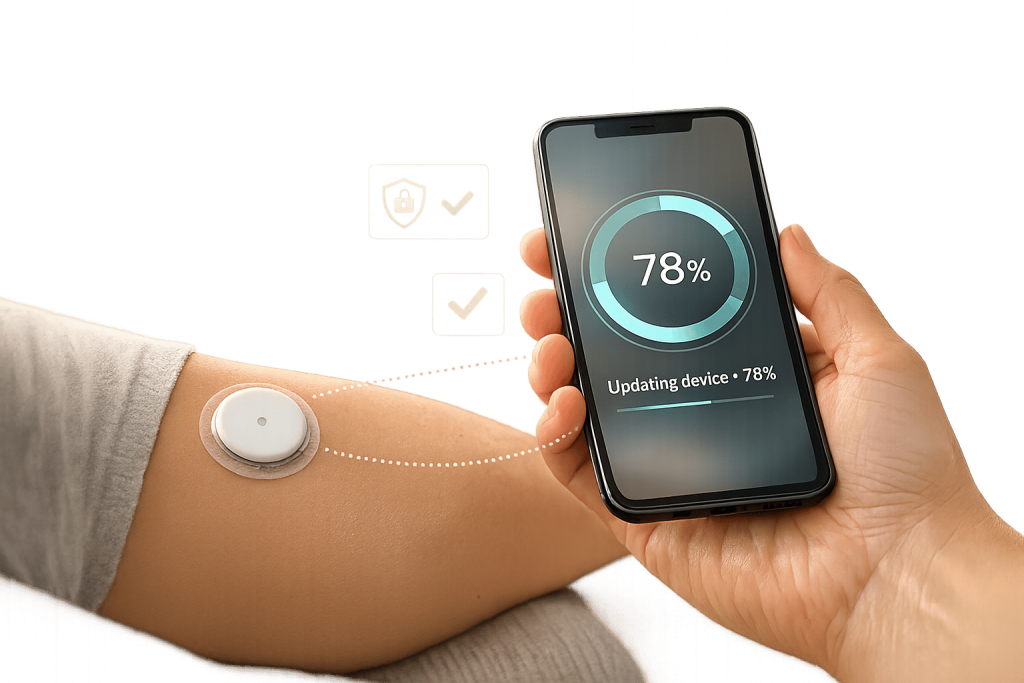
OTA updates keep chronic-monitoring devices accurate, secure, and compliant while adding features and delivering critical security patches.
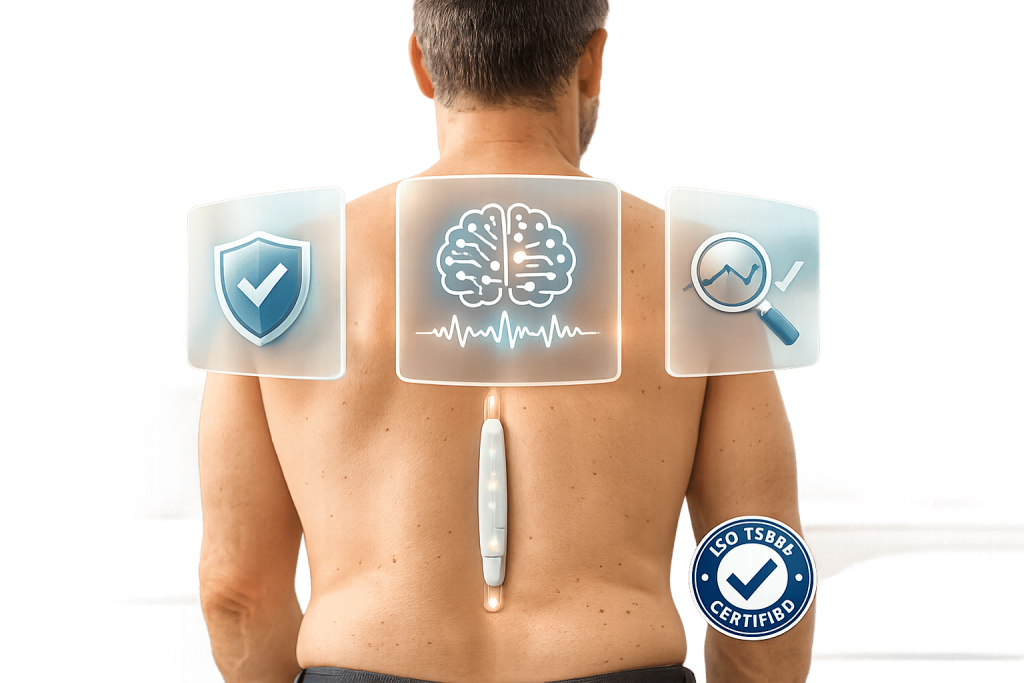
How ISO 13485:2016 affects spine monitoring devices—hardware (radiation-free) vs AI systems, risk management, validation, and post-market controls.
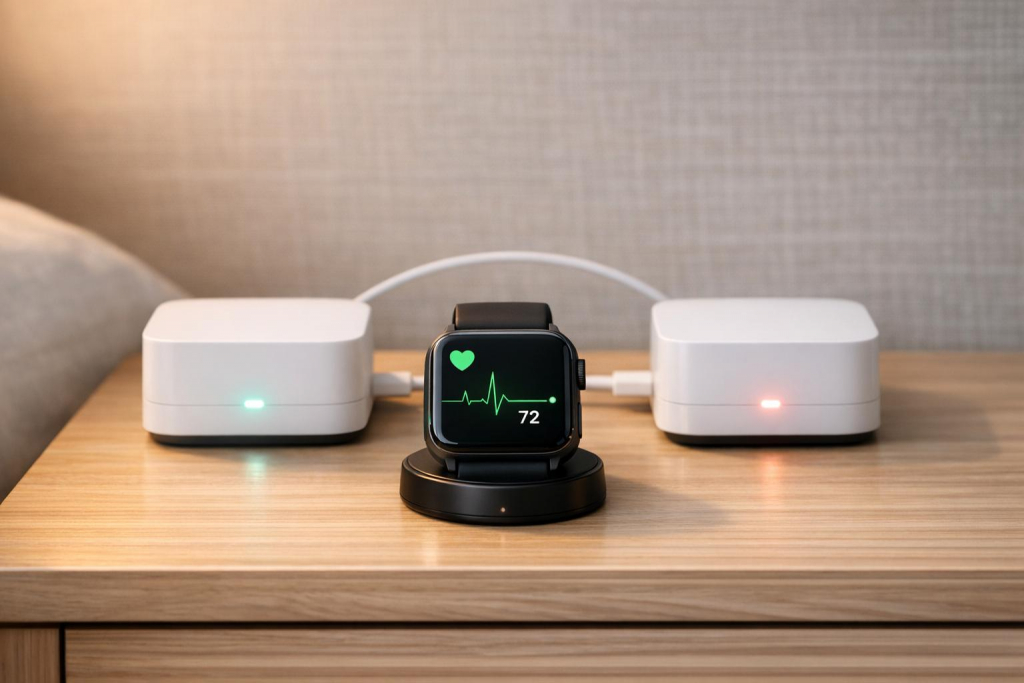
Ultra-low-latency failover keeps chronic disease monitors online, reducing data loss and ensuring continuous vital-sign monitoring.
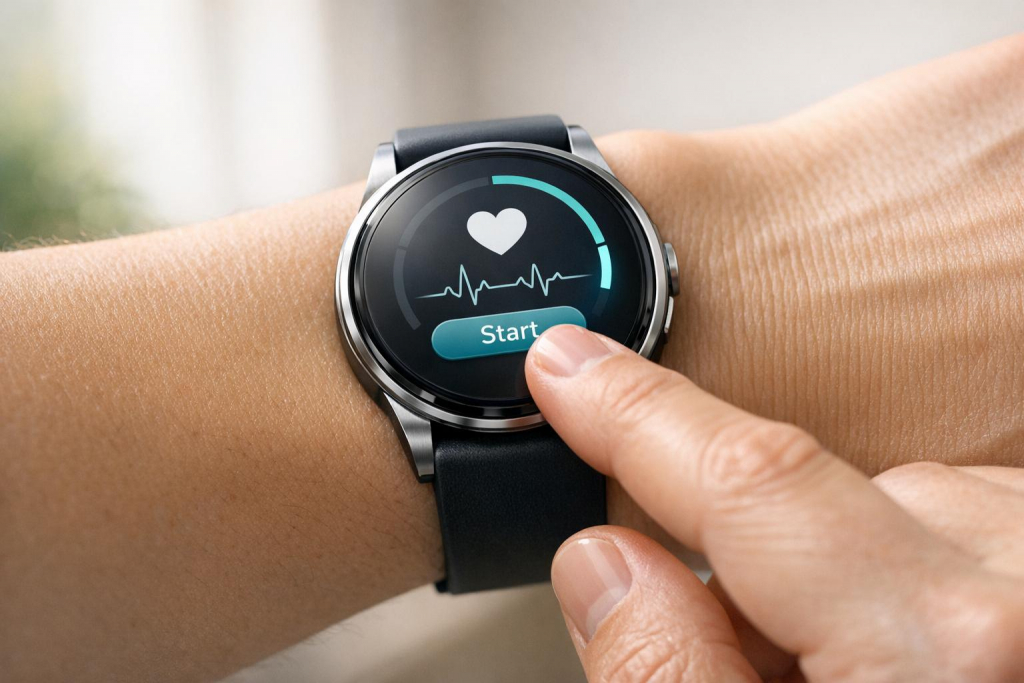
How proper calibration improves wearable heart rate accuracy, reduces errors, and protects health—tips and best practices.
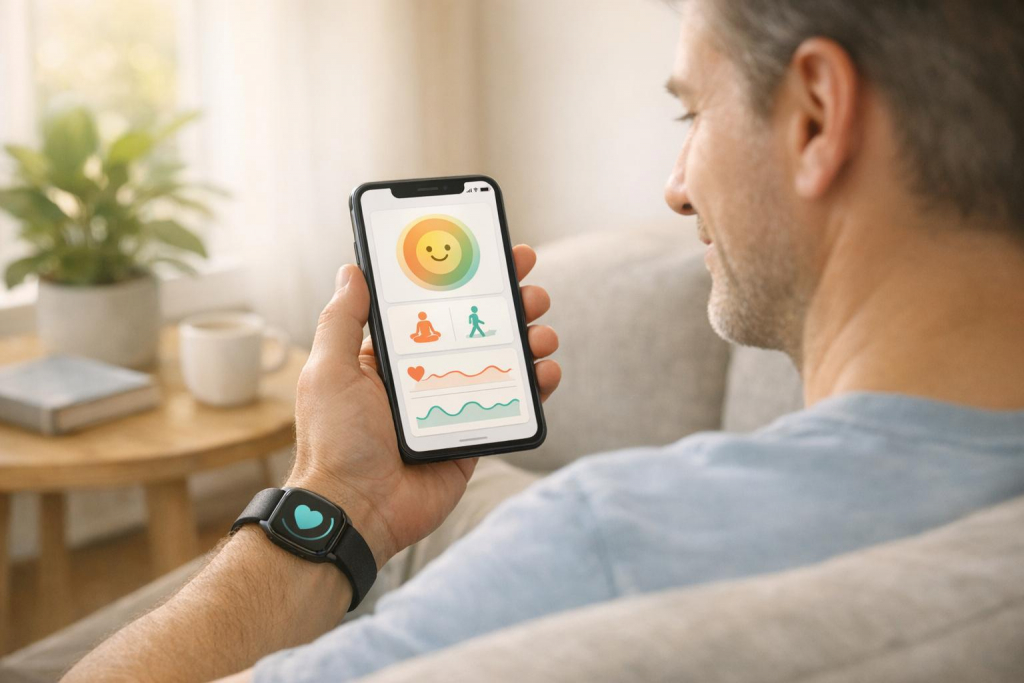
Emotion-aware AI plus wearables read emotional cues to personalize chronic disease care, boost engagement, and enable early interventions.
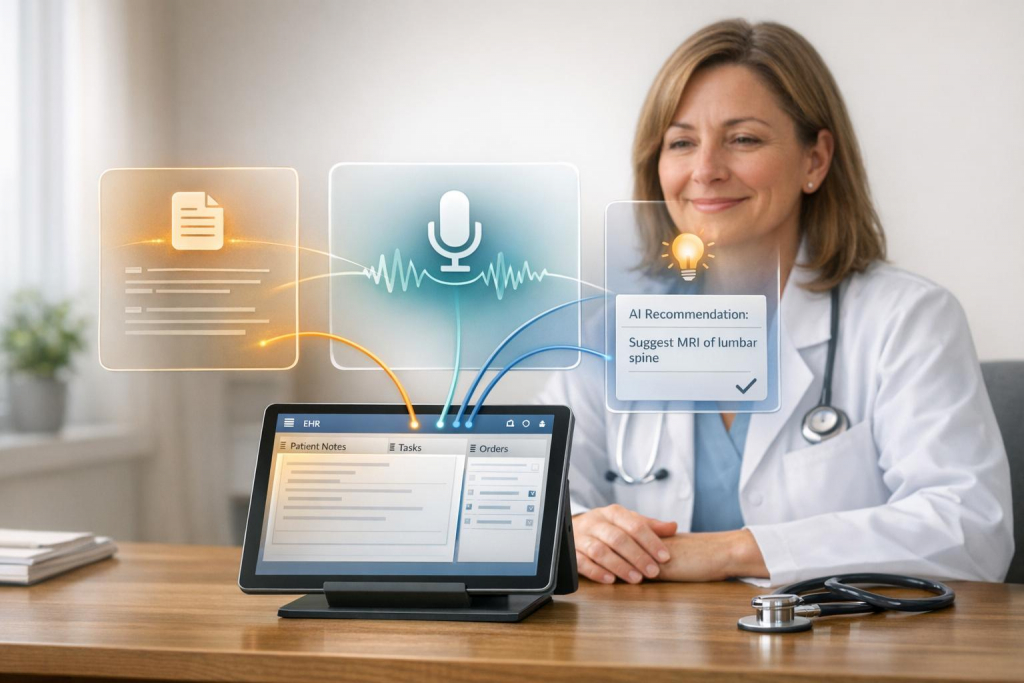
AI-powered EHR tools (ambient scribes, voice assistants, native AI) cut documentation time and ease clinician workload.
AI wearables use continuous biometric monitoring and predictive analytics to detect health risks early and cut hospital visits.
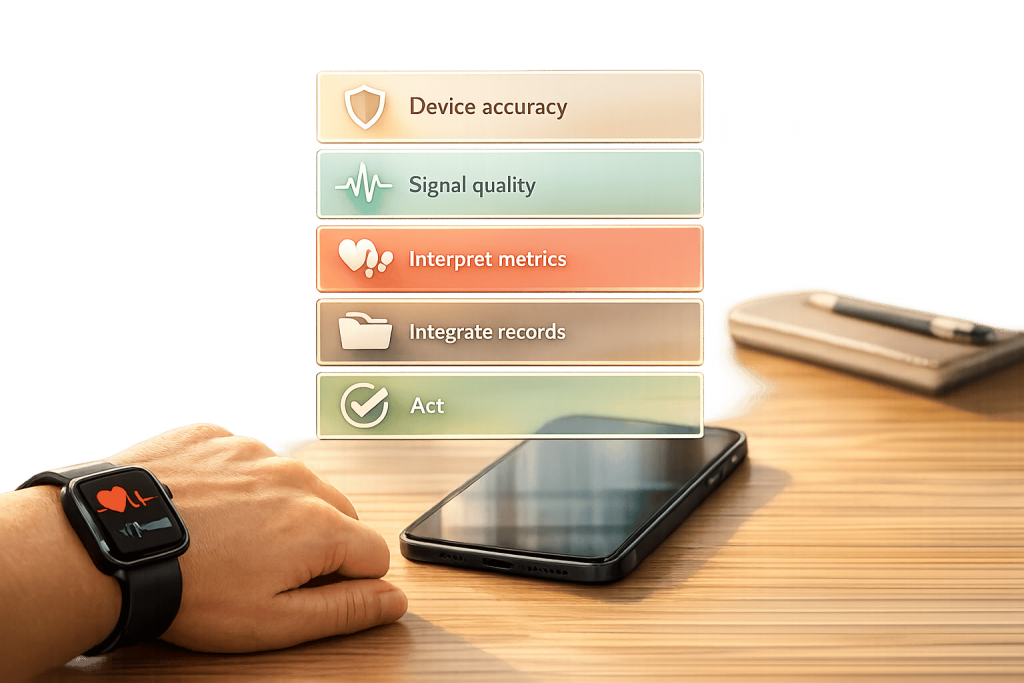
A practical 5-step checklist to verify device accuracy, assess signal quality, interpret metrics, integrate clinical records, and act.