
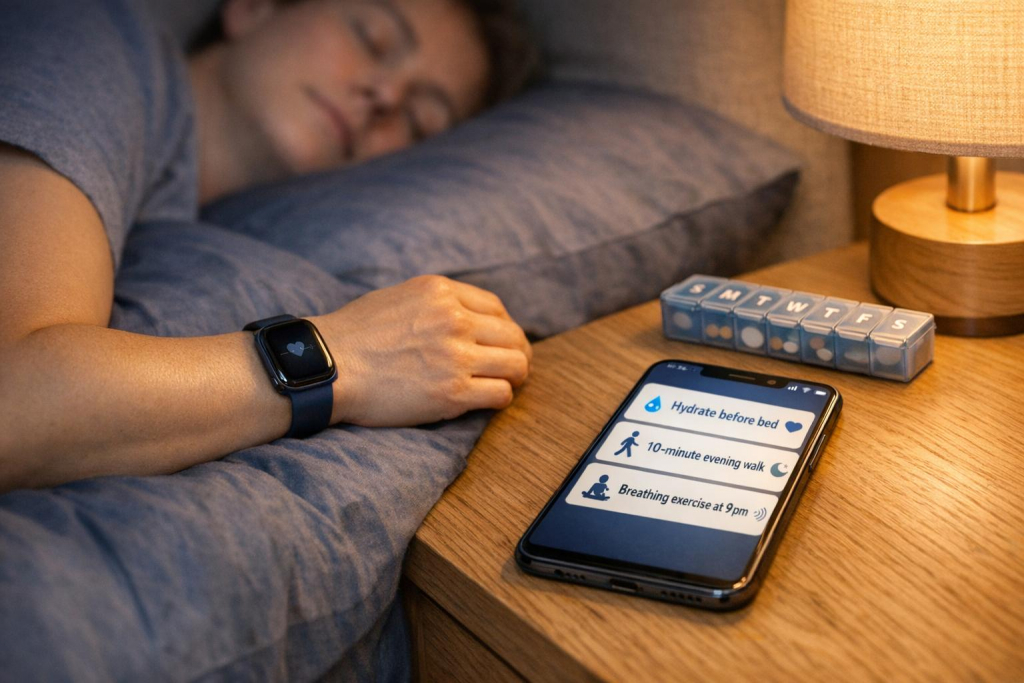
AI sleep monitoring is transforming how chronic conditions like diabetes, heart disease, and chronic pain are managed by turning sleep data into actionable health insights. Poor sleep not only worsens these conditions but also disrupts recovery and overall well-being. Devices like aiRing and the AIH Health App track sleep quality, detect health risks, and offer personalized recommendations to improve sleep and manage symptoms effectively.
Here’s what AI sleep monitoring does:
- Tracks vital signs like heart rate, breathing, and movement during sleep.
- Identifies patterns that signal health concerns (e.g., irregular heart activity).
- Provides tailored suggestions, such as adjusting bedtime, room temperature, or evening routines.
- Links sleep with other health metrics, helping manage conditions like hypertension, diabetes, and chronic pain.
AI Sleep Monitoring Statistics for Chronic Disease Management
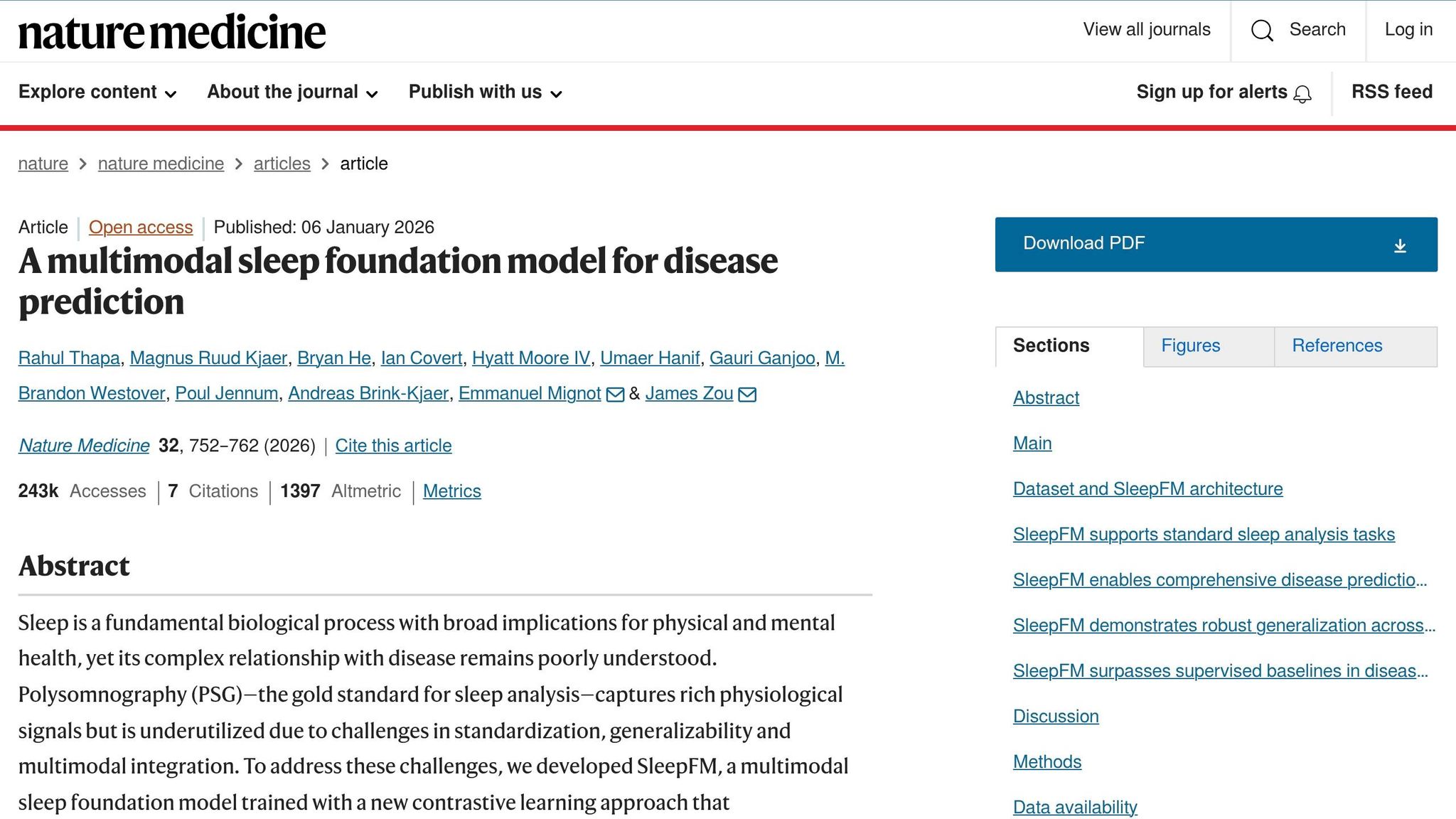
SleepFM: Stanford’s AI Predicts 130+ Diseases From One Night of Sleep Data
sbb-itb-44aa802
Common Sleep Problems in People with Chronic Conditions
Living with a chronic condition often brings sleep challenges that can create a tough cycle – your condition disrupts your sleep, and poor sleep worsens your symptoms. Let’s take a closer look at the common sleep disorders tied to chronic illnesses and how poor sleep can intensify chronic pain.
Sleep Disorders Associated with Chronic Diseases
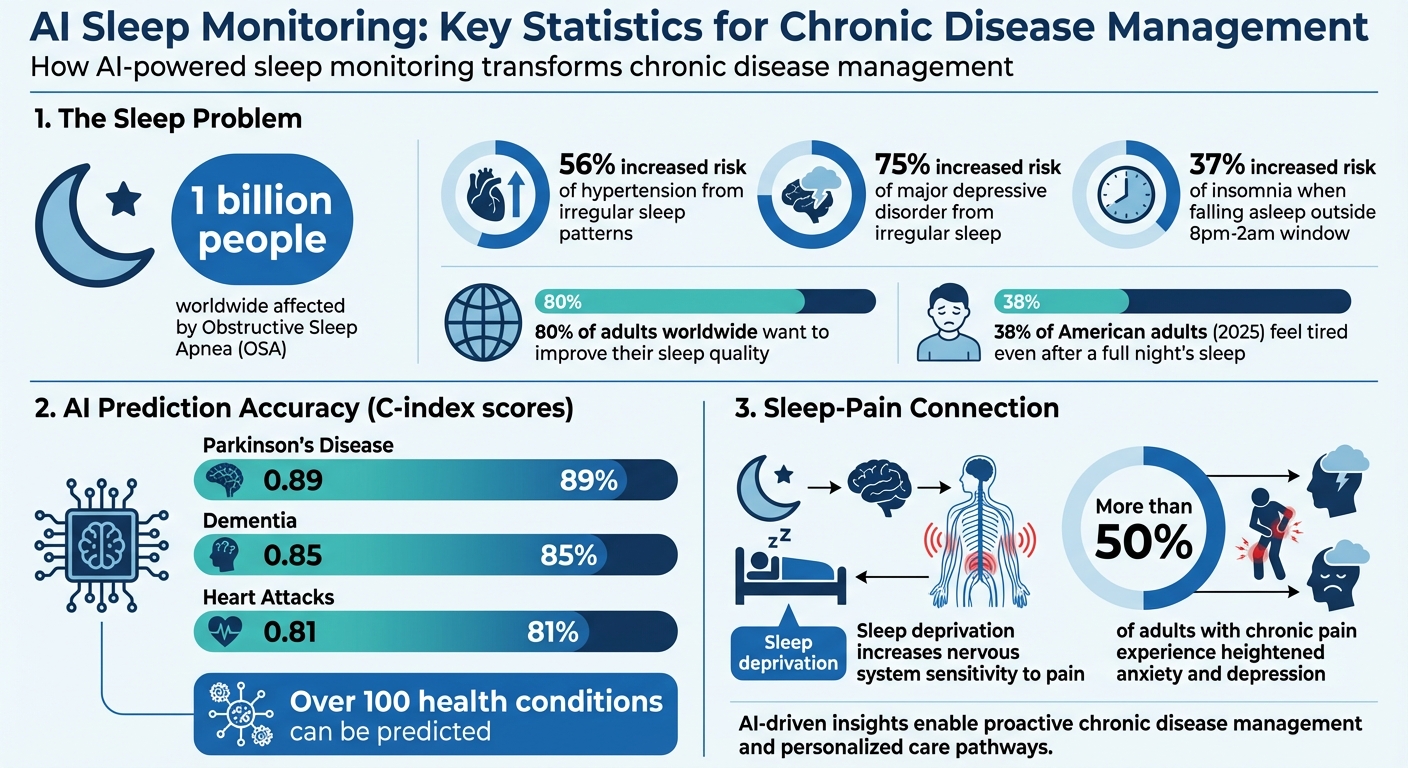
Obstructive sleep apnea (OSA) is one of the most common yet underdiagnosed sleep disorders, affecting nearly 1 billion people worldwide. This condition involves repeated interruptions in breathing during sleep and is heavily linked to obesity, diabetes, high blood pressure, and elevated cholesterol levels. Many people remain unaware of their condition until a partner notices irregular breathing or they begin experiencing unexplained daytime fatigue.
Irregular sleep patterns also pose serious risks. For instance, inconsistent sleep can increase the likelihood of developing hypertension by 56% and major depressive disorder by 75%. Additionally, a lack of REM and deep sleep raises the risk of conditions like atrial fibrillation and heart failure.
Other disruptions include restless sleep, often associated with hypothyroidism and breathing issues, and circadian rhythm problems. Falling asleep outside the typical 8:00 p.m. to 2:00 a.m. window can raise the risk of insomnia and other sleep disorders by 37%. For individuals with chronic pain conditions, such as sciatica or back pain, irregular sleep timing can worsen musculoskeletal discomfort.
The Connection Between Poor Sleep and Chronic Pain
Poor sleep and chronic pain are deeply intertwined, creating a cycle that’s hard to break. Sleep deprivation increases the nervous system’s sensitivity to pain, which in turn makes it harder to sleep the following night.
"Evidence shows that shortened or disturbed sleep may cause an increased sensitivity to painful stimuli." – Emily Mendez, Mental Health Author
The link between sleep and pain stems from shared neural pathways. For example, melatonin, a hormone that regulates sleep, also plays a role in how pain is perceived. When sleep is disrupted, it sets off a chain reaction: inflammation rises, insulin sensitivity drops, and hormonal imbalances slow down the healing process.
More than half of adults with chronic pain also grapple with heightened anxiety and depression, which further amplifies their perception of pain. Sleep deprivation can lead to "catastrophizing", where the brain exaggerates pain, making it feel worse than it actually is. Alarmingly, even in healthy individuals, lack of sleep can trigger symptoms resembling fibromyalgia, including widespread tenderness and fatigue.
For those with conditions like rheumatoid arthritis, poor sleep directly correlates with increased pain the next day. Similarly, individuals with multiple sclerosis often experience fragmented sleep due to frequent position changes needed to relieve numbness and tingling.
How AI Wearables Monitor and Analyze Sleep Data
Getting better sleep and managing chronic conditions isn’t just about tracking how long you sleep. AI wearables have taken sleep monitoring to the next level, offering deep insights into sleep patterns and health. Let’s look at how devices like the aiRing and the AIH Health App turn this data into meaningful health recommendations.
Sleep Monitoring Features in AI-Powered Devices
The aiRing stands out with its precision sensors and low-power Bluetooth technology, which collect vital signs throughout the night. Its built-in AI analyzes heart activity, breathing patterns, and movements to give a detailed view of your sleep quality. Unlike basic fitness trackers, its advanced sensors provide a more accurate and comprehensive analysis.
But it doesn’t stop there. AI models used in these devices can predict over 100 health conditions. For example, the SleepFM AI model has shown impressive predictive capabilities, identifying risks for Parkinson’s disease (C-index of 0.89), dementia (0.85), and heart attacks (0.81). These predictions are possible because of the wealth of physiological data collected during an average eight-hour sleep period.
"We record an amazing number of signals when we study sleep… It’s a kind of general physiology that we study for eight hours in a subject who’s completely captive. It’s very data rich."
- Emmanuel Mignot, MD, PhD, Professor in Sleep Medicine, Stanford Medicine
This technology has already made a difference in real-life scenarios. In December 2025, a case published in The New England Journal of Medicine highlighted how an AI-powered sleep monitor detected a life-threatening complete heart block in a patient before any symptoms appeared.
How the AIH Health App Combines Sleep and Health Data
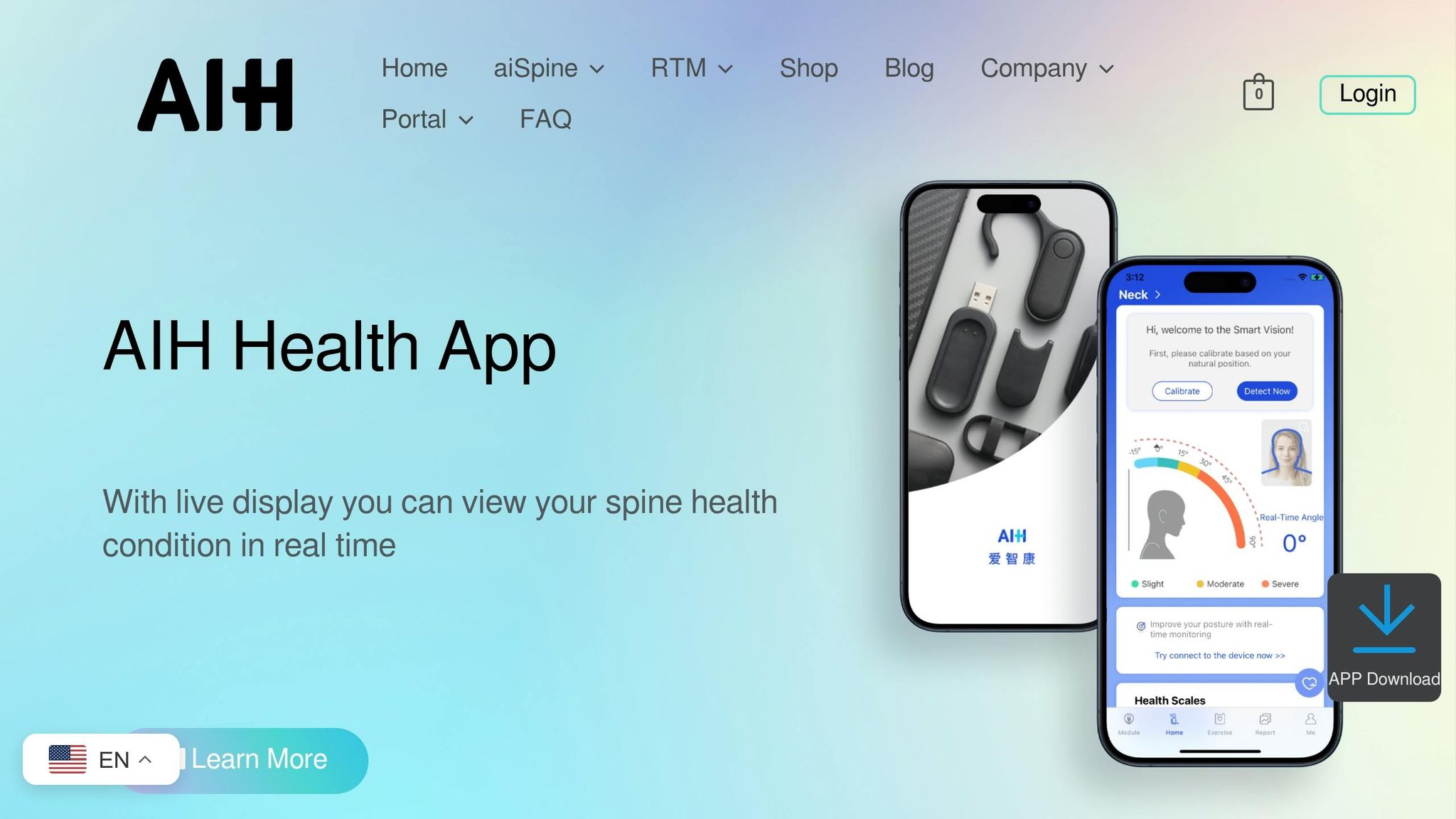
After collecting detailed sleep data with devices like the aiRing, the AIH Health App steps in as a Remote Therapeutic Monitoring (RTM) platform. It doesn’t just focus on sleep metrics – it integrates data from multiple devices, such as the aiRing and aiSpine, to monitor musculoskeletal health, respiratory status, therapy adherence, and more. This creates a complete health profile that links sleep patterns with other factors like posture, activity, and calorie burn.
The app uses AI to pinpoint your most important sleep parameters – whether it’s sleep efficiency, time spent in deep sleep, or movement during the night. Instead of offering generic advice, it focuses on 2–4 specific areas you can improve based on your unique physiology. For instance, if the system notices your glucose variability increases with lower activity levels, it can send personalized tips or educational content to help you adjust.
This tailored approach is crucial, especially since 80% of adults worldwide want to improve their sleep quality. By combining sleep data with other health information, the AIH platform allows medical professionals to adjust treatment plans in real time, ensuring therapies are based on your actual needs rather than general guidelines.
Personalized Lifestyle Recommendations from AI Sleep Data
Detailed sleep data becomes truly useful when it translates into practical changes. AI doesn’t just track what happens while you sleep – it offers actionable advice tailored to help manage chronic conditions. For those dealing with such health challenges, these personalized insights can mean the difference between staying on top of symptoms or feeling overwhelmed. These recommendations, built on continuous data analysis, pave the way for targeted lifestyle adjustments.
Using aiSpine to Improve Sleep Posture
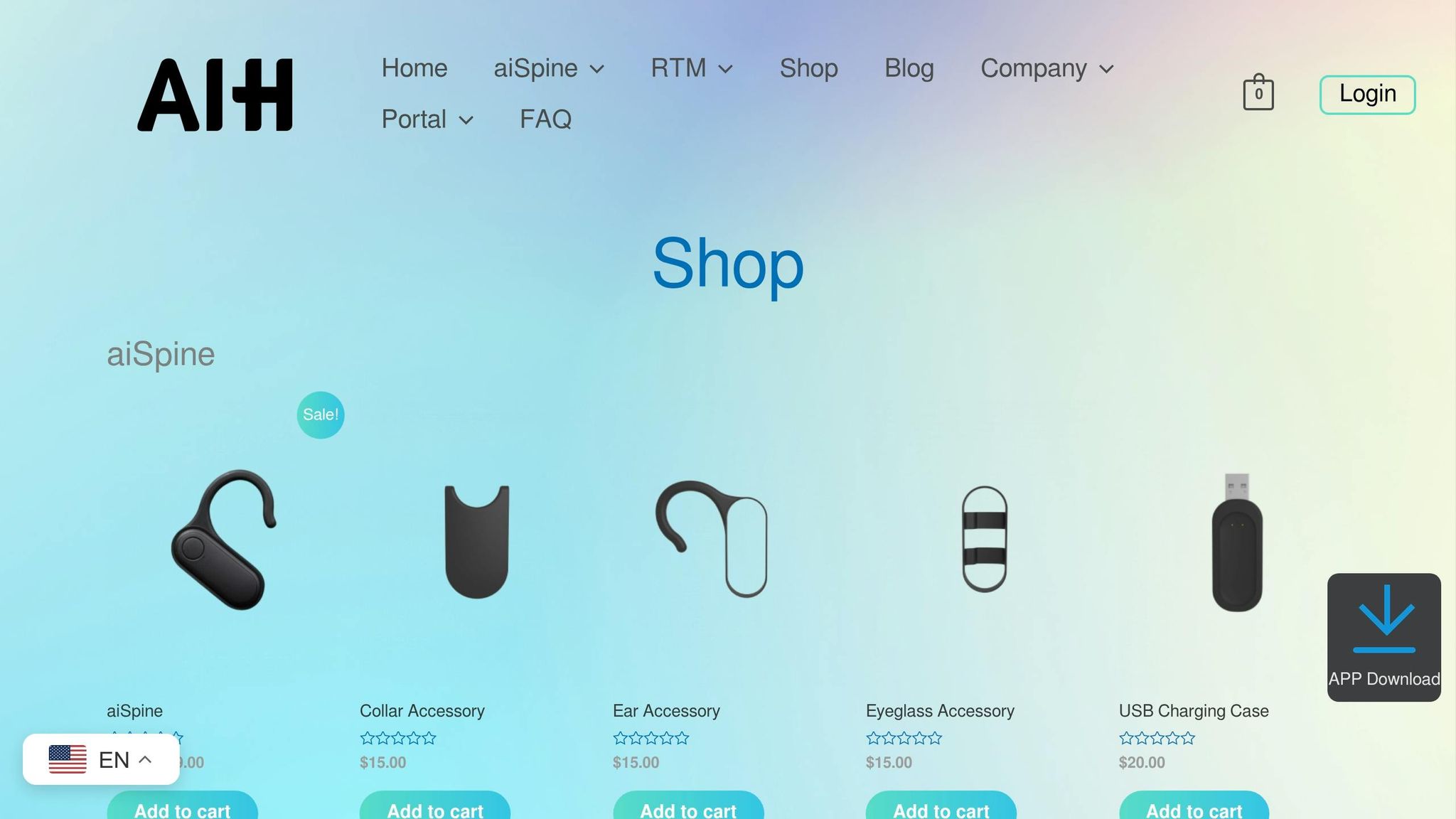
Bad sleep posture can interfere with your rest and slow down your body’s natural recovery. The aiSpine device uses AI to study your movement patterns and identify positions that might strain your spine. If it detects a problematic position, it sends gentle vibration alerts to encourage you to adjust.
By analyzing factors like "movement_awakening" and "physical_recovery", the system pinpoints signs of discomfort or restless sleep. For instance, if you frequently wake up due to discomfort in a specific position, the AI might suggest changes like switching to a firmer mattress, using a targeted topper, or adjusting your pillow setup. For people managing chronic pain, this kind of feedback can reduce the need for frequent repositioning at night and improve recovery. Better sleep posture also helps minimize discomfort, making rest more restorative.
Scheduling Activities Based on Sleep Recovery Data
Your energy levels aren’t the same every day, especially when managing a chronic condition. The AIH Health App provides a morning recovery score based on metrics like deep sleep duration, heart rate variability, and other physiological signals. This score helps you plan your day more effectively and avoid overexertion.
For example, if your recovery score is low, the AI might suggest postponing high-energy tasks or workouts until your body is better rested. In 2025, 38% of American adults reported feeling tired even after a full night’s sleep. Aligning your daily activities with your recovery data allows your body the time it needs to recuperate, reducing the risk of setbacks in managing chronic symptoms. This approach ensures your routine matches your physical readiness.
Using AI-Guided Relaxation Techniques for Better Sleep
Stress and anxiety are major sleep disruptors, especially for those with chronic illnesses. The aiRing monitors oxygen saturation and respiratory patterns in real-time to trigger customized relaxation protocols. These insights are then used to deliver tailored relaxation techniques through the AIH Health App.
Instead of offering generic breathing exercises at fixed times, the system determines your ideal wind-down period using sensor data and provides breathing techniques at those moments. For individuals with conditions like COPD or heart failure, these alerts can also serve as early warnings to seek clinical evaluation if necessary.
Adjusting Diet and Hydration for Improved Sleep
What you eat and drink in the evening can significantly impact your sleep quality. AI sleep trackers can link your dietary habits with sleep metrics like REM sleep fragmentation or nighttime heart rate variations. For example, if the system notices that late-day caffeine disrupts your sleep, it might recommend a caffeine cutoff at least six hours before bed.
The platform also supports experimentation, allowing you to test one dietary adjustment at a time over 7–14 nights to see its effect on sleep efficiency and recovery. This method is particularly helpful for chronic care, as better sleep can improve issues like blood sugar control in diabetes or blood pressure management in hypertension.
Building Long-Term Health Habits with AI Recommendations
Creating lasting health habits takes time and consistency. When it comes to managing chronic conditions, AI-powered sleep monitoring shifts the focus from short-term fixes to building sustainable routines. Instead of just responding to symptoms, continuous monitoring promotes proactive care – helping identify potential issues early and encouraging habits that stick over the long haul. By turning daily sleep data into actionable insights, you can create a solid foundation for better health. These insights guide systematic changes and allow for ongoing progress tracking.
Setting Up a Continuous Health Monitoring System
To get started, sync your devices with platforms like Apple Health or Google Health Connect. If you’re using multiple devices – like the aiSpine for posture tracking and the aiRing for monitoring vital signs – make sure they’re all consolidated in a central hub. Begin by collecting 2–4 weeks of baseline data. This initial phase helps the system understand your natural patterns and establish what’s normal for you.
Once the baseline is established, tools like the AIH Health App can suggest precise adjustments. For example, you might test a recommendation to lower your bedroom temperature by 2–4°F or move your caffeine cutoff earlier in the day. Try each adjustment for about 7–14 nights and monitor key metrics like Wake After Sleep Onset (WASO) or sleep efficiency to see if it makes a difference. If a change improves your metrics, stick with it; if not, move on to another suggestion. Over time, this approach helps you build a personalized playbook of effective habits.
For more serious health conditions, remote monitoring offers additional benefits by providing real-time clinician oversight. Devices like the aiRing, equipped with cellular connectivity, can automatically send data like oxygen saturation and heart rate directly to your care team – no manual uploads or Wi-Fi required. This allows clinicians to spot concerning trends, such as worsening sleep fragmentation or oxygen desaturation, and step in before a crisis occurs.
Measuring Progress with AI-Generated Health Metrics
When tracking progress, focus on measurable goals tied to your specific condition. For instance, if you’re managing chronic pain, you might aim to reduce nighttime awakenings by 20 minutes. The AIH Health App provides objective data like deep sleep duration, heart rate variability, and recovery scores each morning. Pair these metrics with subjective tools, such as the Pittsburgh Sleep Quality Index, to ensure that improved numbers translate into better rest.
Once you’ve implemented personalized adjustments, it’s essential to monitor your progress with both short-term data and long-term trends. For example, a 60-day pilot study conducted by researchers at Tecnologico de Monterrey used Samsung Galaxy Watch 4 devices to track 32 participants. Personalized recommendations were introduced on day 30, based on machine learning analysis of variables like sleep stages and physical recovery. By comparing 960 nights of data, the study demonstrated that AI-driven interventions could outperform generic sleep advice.
"AI-powered real-time sleep and health monitoring enables proactive intervention rather than reactive care, improving individual outcomes and system-wide efficiencies."
– Fullpower-AI
Review your metrics weekly and focus on trends rather than single-night data. Consistent improvements, such as better sleep efficiency or reduced pain due to improved posture feedback from aiSpine, can confirm that your new habits are working and contributing to long-term health benefits.
Conclusion: Better Chronic Care Through AI Sleep Monitoring
AI sleep monitoring is reshaping how we approach chronic disease management by offering personalized insights and actionable lifestyle recommendations. Sleep, often overlooked, serves as a crucial indicator for chronic health conditions. Devices like the aiRing and the AIH Health App are shifting care from being reactive to proactive, identifying early warning signs before they escalate into serious issues.
The numbers speak for themselves. AI models can now predict over 100 conditions with impressive accuracy – Parkinson’s disease at 89% and dementia at 85%. These advancements are also driving real-world outcomes, such as reducing 30-day hospital readmissions for heart failure through timely interventions.
"Sleep is more than just rest – it’s a critical biomarker for many conditions that become more prevalent with age, including hypertension, diabetes, and neurodegenerative diseases."
– Fullpower-AI
FAQs
How accurate are AI sleep wearables for detecting health risks?
AI-powered sleep wearables are becoming better at identifying health risks, such as sleep apnea, and using sleep data to predict potential conditions. They provide advantages like real-time tracking and greater convenience compared to traditional diagnostic methods. However, their accuracy can vary based on factors such as the quality of the data collected, the design of the device, and the complexity of the algorithms they use. While these devices are already dependable for many uses, ongoing advancements in technology are steadily enhancing their precision.
Can AI sleep tracking help manage diabetes, hypertension, or chronic pain?
AI sleep tracking plays a valuable role in managing chronic conditions such as diabetes, hypertension, and chronic pain. By analyzing sleep metrics like REM cycles and heart rate variability, these tools provide insights that can predict health trends and improve overall sleep quality. This data isn’t just helpful for better rest – it also supports personalized care plans.
AI-powered platforms take it a step further by enabling real-time health monitoring. This allows clinicians to adjust treatments based on sleep data, which can be a critical factor in effectively managing these chronic conditions.
How long does it take to see results from AI-guided sleep changes?
AI-powered sleep monitoring has the potential to deliver valuable health insights and even predict disease risks, all from a single night’s data. However, the timeframe for seeing results from AI-guided sleep adjustments can differ from person to person. Factors like individual health conditions and the type of recommendations play a big role in how quickly improvements become noticeable. Specific timelines aren’t outlined, as they hinge on these personal variables.